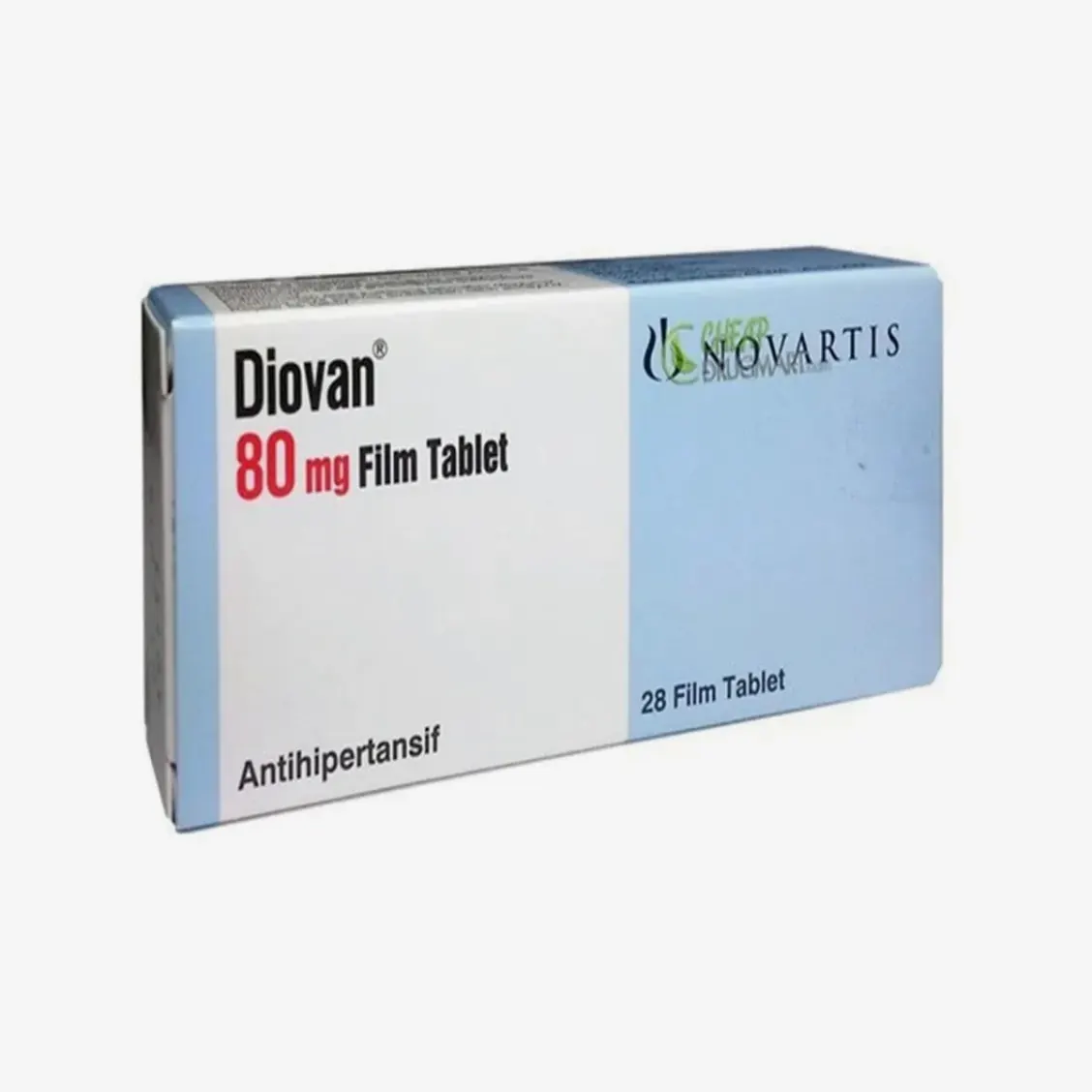
Blood pressure, heart failure, recovery after a heart attack — the same hormone system is overactive in all three.
Valsartan blocks the receptor that system works through, which eases the load on vessels and heart alike.
Without prescription, plain packaging. Potassium needs an eye kept on it.
A hormone called angiotensin II tightens blood vessels, makes the kidneys hold on to salt and water, and over time thickens heart muscle. In high blood pressure and heart failure it is doing too much of all three.
Valsartan blocks the receptor it acts through. The hormone circulates but cannot deliver its message. Vessels relax, fluid is released, and the heart works against less resistance.
Three situations it is used in
High blood pressure. The straightfoward use. Pressure comes down and stays down with daily dosing.
Heart failure. Here the point is different. A weakened heart is being driven harder by exactly this hormone system, which seems helpful in the short term and accelerates the decline over years. Blocking it eases the strain and improves how people function day to day.
After a heart attack. Damaged heart muscle remodels itself in the weeks and months afterwards, and not always in a good direction. Blocking this system influences how that remodelling goes.
Why no cough?
ACE inhibitors cause a persistent dry cough in a noticeable fraction of people. It is not an allergy and it does not respond to cough medicine, and it often starts weeks or months in — which is why it so often goes unconnected to the tablet.
The cause is a substance called bradykinin accumulating in the airway lining, a side consequence of blocking that particular enzyme.
Sartans do not block that enzyme. No build-up, no cough. If that is why you came off an ACE inhibitor, this is the usual replacement.
Dosing and what to expect
Once daily, consistent timing.
With or without food.
Full effect takes around four weeks.
Do not stop because readings improved.
Missed dose: take it when remembered, unless the next is near.
Early lightheadedness on standing is common, especially after a dose increase. Rise in stages.
Keep an eye on potassium and kidney tests
This class raises blood potassium and can shift kidney function readings. Usually neither is a problem, and both are easily checked.
Blood tests after starting and after any dose change are standard, not an over-precaution.
Things that push potassium higher: potassium supplements, salt substitutes made from potassium chloride, certain diuretics, and some painkillers.
Anti-inflammatory painkillers deserve a specific mention. Taken regularly alongside this class they blunt the effect on blood pressure and put extra strain on the kidneys. Occasional use is one thing; daily use is another.
Dehydration changes the picture
If you develop vomiting or diarrhoea, or you are in serious heat, fluid losses combined with this medicine can drop blood pressure further than intended and stress the kidneys.
Keep fluids up. If you cannot keep anything down for more than a day, that is worth getting advice about rather than carrying on regardless.
Possible side effects
Dizziness, particularly on standing
Headache
Fatigue in the early weeks
Raised potassium
Altered kidney blood tests
Occasional abdominal discomfort
Swelling of the face, lips or tongue is rare and needs urgent attention.
The part that is not a tablet
Salt reduction, which has a bigger effect than most people expect
Regular aerobic activity
Weight loss where there is weight to lose
Stopping smoking
Moderating alcohol
Sleep, including getting apnoea investigated if it is suspected
For heart failure specifically, watching daily weight matters. A sudden gain over a couple of days usually means fluid, and acting early on that prevents a lot of trouble.
Not in pregnancy
Medicines acting on this hormone system can seriously harm a developing baby, particularly from the second trimester onward.
If you are pregnant, planning to be, or you find out you are while taking it — stop and get advice straight away rather than waiting for the next appointment.
Ordering without prescription: how it works
Treatment runs for years, so the only real consideration is not letting the supply lapse.
Pick the strength and the pack size, put in a delivery address, confirm. Couple of minutes, any time of day, no queue and no conversation across a counter.
It goes out in plain packaging. No pharmacy name on the outside, nothing that hints at what is inside. How long delivery takes depends on where the parcel is headed.
On price it comes down to strength and pack size. Larger packs generaly work out better per unit, which matters on something taken long term.
Parcels leave on working days, so UK public holidays and weekends push everything back. If it matters to a date, order with a few days to spare rather than none. Nobody can promise a calendar day.