Fungal skin infections are embarrassing out of proportion to how serious they are, which is exactly why people put off buying something.
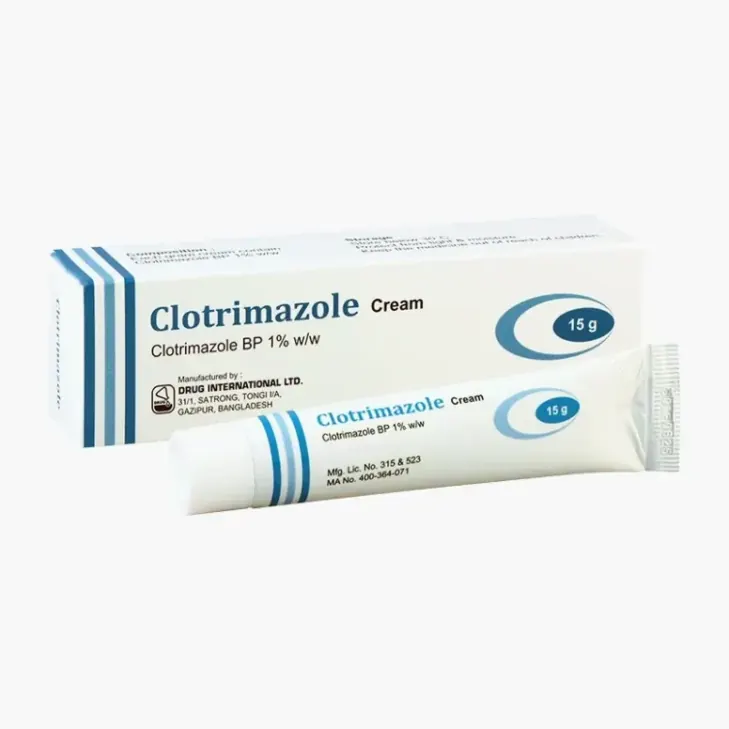
Clotrimazole covers most of them — from athlete's foot to vaginal thrush.
Without prescription, plain packaging. Keep going two weeks after it looks clear.
Pityriasis versicolor, the patchy discoloured kind on the back and chest
Vaginal thrush, with intense itching and discharge
Oral thrush, in lozenge form
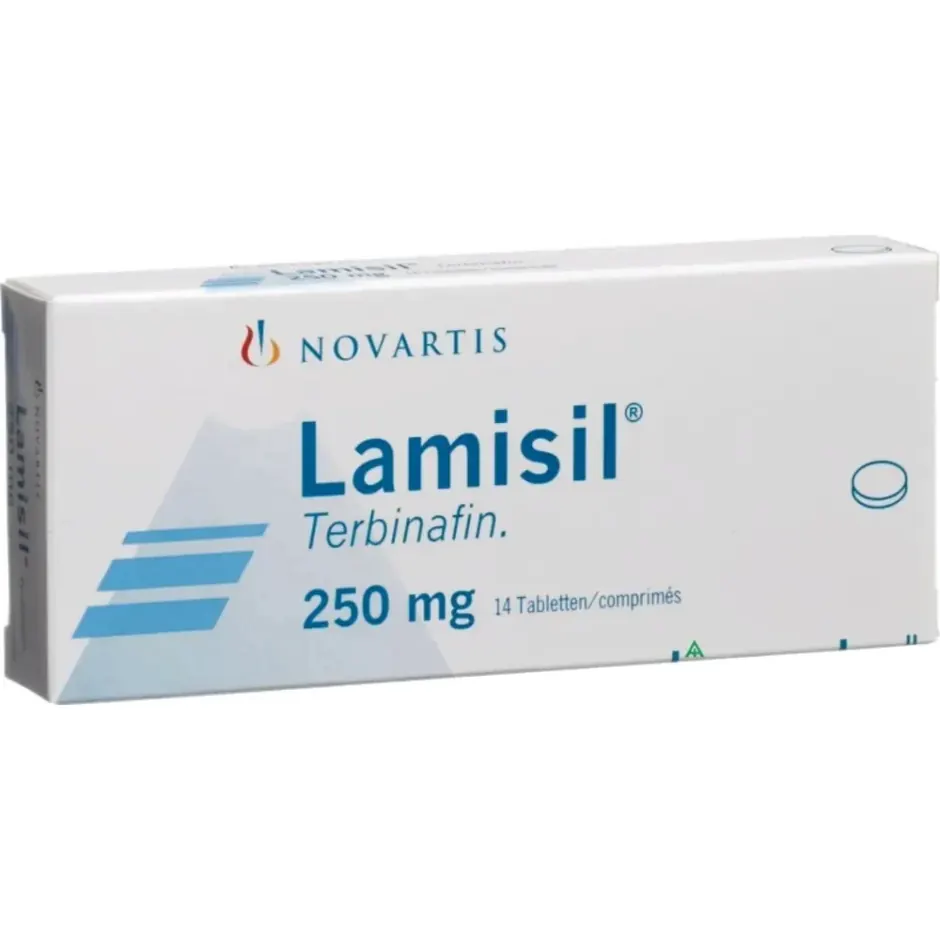
An important limit: for an established nail infection or fungus in the scalp hair, a cream will not reach deep enough. Those need treatment from the inside.
How is the cell wall taken apart?
Fungal cells need a substance called ergosterol to keep their outer membrane stable — roughly the job cholesterol does in human cells.
Clotrimazole blocks the enzyme that produces it.
Without ergosterol the membrane becomes leaky. The cell loses its contents and dies.
Human cells do not have that enzyme in the same form, which is why applying this to skin is generally well tolerated.
Applying it, including the bit people skip
Wash and dry thoroughly.
Thin layer, rubbed in lightly.
Extend about a finger's width beyond the visible edge.
Several times daily, as directed.
Wash hands afterwards.
The third point is nearly always missed and it matters most. Fungus spreads at the margin, where nothing is visible yet. Treat only what you can see and the active edge survives.
Applying it thickly achieves nothing. A thin layer that absorbs works as well and does not keep the skin damp — which is what the fungus wants.
Vaginal thrush
There are specific forms for this: internal cream with an applicator, and pessaries.
Use at night, lying down, so it stays where it is needed rather than running out.
Avoid sex during treatment. And note: these preparations can weaken latex, so condoms are not reliable contraception while using them.
If it keeps returning, the partner may need treating too. Otherwise you pass it back and forth — the most common explanation for an infection that will not clear.
Keep treating after it looks better
This is the single most common reason fungal infections come back.
The itching and redness clear well before the fungus does. Stop there and you leave exactly the spores that will regrow.
Carry on for roughly two weeks after the skin looks normal. Nobody prints that in large letters on the box, and it decides between cured and recurring.
Why fungal infections recur
Fungi live on nearly everyone's skin and mucous membranes normally. They only become a problem when the balance tips.
A course of antibiotics that wiped out competing bacteria
Hormonal changes
Poorly controlled diabetes — sugar in the tissue is fuel
Over-washing with harsh products, which strips the protective flora
Repeated infections are worth investigating rather than treating again and again.
Possible side effects
Stinging or burning where applied
Itching at the start
Dryness
Rarely, an allergic reaction
Mild stinging in the first days is normal on already irritated skin. If it worsens or a rash develops, stop.
When it is not fungus
If nothing improves after a couple of weeks of correct use, the diagnosis may be wrong.
Eczema, psoriasis and contact reactions all look similar and do not respond to an antifungal — sometimes they get worse.
A swab or skin scraping settles it quickly and saves months of guessing.
Ordering without prescription: how it works
A tube in the cupboard saves an awkward trip at the moment you least want to make one.
Pick the strength and the pack size, put in a delivery address, confirm. Couple of minutes, any time of day, no queue and no conversation accross a counter.
It goes out in plain packaging. No pharmacy name on the outside, nothing that hints at what is inside. How long delivery takes depends on where the parcel is headed.
On price it comes down to strength and pack size. Larger packs generally work out better per unit.
If something arrives damaged anywhere in the UK, send the order number and a photograph the same day. We replace free of charge or refund in pounds. Do not use medication from a damaged blister.