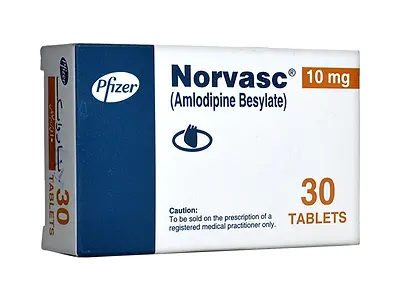
Managing chronic chest pain or stubborn hypertension takes a reliable daily routine. If you need to buy Norvasc, these amlodipine besylate tablets work gradually across the day to widen tight blood vessels, keeping your heart from overworking without wild spikes in pulse.
When your clinician writes a script to buy Norvasc, it usually comes down to stubborn numbers on the cuff, though patients should never seek to buy Norvasc without prescription due to the need for clinical oversight. What is Norvasc used for in routine practice? Primarily, it manages systemic hypertension and chronic stable angina. Norvasc tablets contain amlodipine besylate, an oral dihydropyridine calcium channel blocker that also treats vasospastic angina, commonly known as Prinzmetal's variant. If you plan to buy Norvasc online, getting steady refills through PharmaAccess helps you stick to the prescribed regimen without unexpected interruptions.
How 2.5 mg and 5 mg doses relax arterial walls
Vascular tone relies directly on calcium movement. When calcium ions enter vascular smooth muscle cells through L-type channels, the arterial walls contract. Amlodipine blocks this specific influx. Without that continuous influx, the muscular tunica media of peripheral arteries relaxes, which dilates the vessels. Peripheral vascular resistance drops noticeably. That drop reduces afterload, meaning the left ventricle does not have to generate as much pressure to pump stroke volume into the aorta.
For patients with angina, this dilation brings relief through two separate pathways. Lowering systemic resistance cuts myocardial oxygen demand during daily physical exertion. At the same time, amlodipine dilates large coronary arteries and smaller arterioles directly. This specific action improves myocardial oxygen delivery, preventing the painful spasms that starve cardiac tissue during rest.
Absorption across 6 to 12 hours and steady daily levels
Patients often ask how fast does Norvasc work compared to faster agents. Unlike immediate-release nifedipine, amlodipine absorbs slowly from the gastrointestinal tract. Peak plasma concentrations occur between 6 and 12 hours after swallowing a tablet. Absolute bioavailability ranges between 64% and 90%. Meals do not change how much active drug reaches your bloodstream, so you can take it with food or on an empty stomach without altering plasma curves.
The terminal elimination half-life is remarkably long, sitting between 30 and 50 hours. Because clearance takes time, steady-state plasma levels accumulate after 7 to 8 consecutive days of once-daily administration. This prolonged pharmacokinetic profile smooths out blood pressure fluctuations over a full 24-hour interval. Missing a scheduled pill by a few hours will not trigger a dangerous rebound spike.
Starting with 5 mg daily and adjusting to 10 mg
Finding the right Norvasc dosage depends on your baseline readings, age, and hepatic health:
Standard adult dose: Most adults begin therapy on 5 mg taken once daily. If systolic or diastolic goals remain unmet after 14 days, your physician might suggest you buy Norvasc 10 mg for the higher daily target.
Older adults: Clearance slows with age. Starting on Norvasc 2,5 mg once daily minimizes the likelihood of postural hypotension.
Hepatic impairment: The liver metabolizes roughly 90% of amlodipine via CYP3A4. Patients with impaired liver function should buy Norvasc 2,5 mg to avoid plasma accumulation.
Renal disease: Kidney impairment does not alter amlodipine kinetics or plasma concentration profiles, so dose adjustments are rarely required for renal decline alone.
Never take more than the 10 mg maximum daily ceiling. Escalating the dose beyond this threshold does not yield proportional blood pressure reductions and substantially increases the rate of peripheral fluid retention.
Handling a missed dose within 12 hours
Learning how to take Norvasc consistently is straightforward, but missed doses still happen. If you remember within 12 hours of your regular dosing window, take the missed tablet immediately. When more than 12 hours have slipped by, leave that tablet in the blister pack and take your next dose at the usual time tomorrow. Doubling your dose to catch up is unsafe and can trigger sudden symptomatic hypotension.
Watch for ankle swelling and 10 mg side effects
While most people tolerate the drug well, documented Norvasc side effects exist. The most frequent complaint is dependent peripheral edema, which causes visible swelling in the ankles and lower legs. This occurs due to precapillary arteriolar dilation without matching venular dilation, which forces fluid into surrounding tissue. The incidence is dose-related, appearing far more frequently at 10 mg than at 2.5 mg or 5 mg.
Other reactions observed during clinical use include:
Lightheadedness or dizziness, especially when standing abruptly
Cutaneous flushing and warmth across the face or neck
Mild daytime drowsiness and general fatigue
Nausea and non-specific abdominal discomfort
Noticeable awareness of heartbeats or palpitations
Very rarely, patients with advanced obstructive coronary artery disease develop increased frequency or severity of angina upon starting calcium blockers. Immediate medical evaluation is required if you develop severe chest pressure, unexplained dyspnea, or facial angioedema.
Checking interactions with simvastatin 20 mg and other drugs
Amlodipine clearance depends heavily on the cytochrome P450 3A4 enzyme pathway. Taking it alongside strong CYP3A4 inhibitors like ketoconazole, itraconazole, clarithromycin, or ritonavir can increase amlodipine exposure and worsen hypotensive risks. Conversely, potent CYP3A inducers such as rifampin, carbamazepine, and St. John's wort speed up clearance, which can leave your blood pressure poorly controlled.
Because you cannot safely obtain Norvasc over the counter, a doctor must evaluate how it increases systemic exposure to simvastatin. To limit the risk of myopathy and rhabdomyolysis, clinicians generally restrict simvastatin doses to 20 mg daily in patients taking amlodipine. Tacrolimus and cyclosporine blood levels can rise when paired with this medication, requiring close clinical monitoring. In addition, consuming large volumes of grapefruit juice can inhibit intestinal CYP3A4, leading to unpredictably higher drug absorption.
What affects the Norvasc price for 2.5 mg and 5 mg packs
If you check your local dispensary, the Norvasc price varies widely based on brand status and pack volume. The branded tablet commands a higher cost than generic amlodipine besylate, though both supply identical active molecules to target tissue. Purchasing ninety-tablet quantities generally lowers your per-unit cost compared to picking up a thirty-tablet blister monthly. Selecting an established Norvasc online pharmacy cuts out physical retail markups, helping maintain steady long-term therapy without unexpected bills.
Getting Norvasc fast delivery directly to your door
Managing ongoing cardiovascular care shouldn't require waiting in long pharmacy lines every single month. When you order through PharmaAccess, you select your required strength and pack size through our clear digital catalog. We package every parcel securely in plain, unmarked boxes so your personal prescriptions stay confidential. With tracked dispatch systems and reliable Norvasc fast delivery, your maintenance medication arrives safely at your home right when you need it.
FAQ
Can I take this pill with meals?
Yes, you can take your tablet with or without food. Dietary intake does not alter the rate or extent of amlodipine absorption.
How long does it take for Norvasc to lower blood pressure?
Vascular relaxation begins within 6 to 12 hours after your first dose. However, achieving full therapeutic equilibrium and stable 24-hour blood pressure control takes between 7 and 8 consecutive days of daily dosing.
Can you drink alcohol with Norvasc?
Alcohol dilates peripheral blood vessels on its own, which can compound the hypotensive action of amlodipine. Drinking while medicated can cause lightheadedness, postural dizziness, or fainting, so keep intake minimal and discuss safe limits with your prescriber.
What should I do if my ankles begin to swell?
Mild ankle edema is a known effect of calcium channel blocker therapy. Elevating your legs when resting can reduce fluid pooling, but never discontinue your medicine without guidance. Contact your doctor to discuss whether a dose modification is appropriate.