Swelling in your ankles, hands, or abdomen makes every movement stiff and exhausting. Lasix is a potent loop diuretic that clears excess water and sodium from the bloodstream, taking heavy strain off your cardiovascular system. At PharmaAccess, check available strengths and organize your order with safe, private processing.
What Lasix does for fluid retention and blood pressure
Fluid accumulation in tissue spaces creates heavy discomfort in everyday movement. A person often looks to buy Lasix when severe puffiness in their legs, feet, or abdomen begins interfering with daily mobility and normal breathing. Known generically as furosemide, this medication has been an established clinical choice since the mid-1960s. It belongs to the loop diuretic family, which doctors rely on as the most potent water pills in routine practice.
So what is Lasix used for across medical wards? Mostly, physicians prescribe it to manage systemic edema, which is simply water retention locked within bodily tissues. The issue commonly stems from congestive heart failure, hepatic cirrhosis with stubborn abdominal ascites, or chronic renal disease such as nephrotic syndrome. It also sees heavy use for chronic high blood pressure. Pulling volume out of the circulation drops resistance along arterial walls, letting cardiac muscle pump without beating itself to exhaustion.
How Lasix works in the kidneys
Your kidneys filter blood constantly, and furosemide acts on one exact segment of this internal plumbing. Inside the nephron, there is a hairpin-shaped bend called the thick ascending limb of Henle's loop. Under normal conditions, this section recaptures a huge fraction of filtered sodium and pumps it back into the bloodstream to keep blood volume intact.
Furosemide stops that process by blocking the NKCC2 co-transporter protein channel. Once this pump is inhibited, sodium, potassium, and chloride ions stay trapped inside the renal tubule. Water follows salt by basic osmosis, so that trapped volume ends up straight in your urinary bladder instead of returning to your tissues. That specific mechanism explains why loop diuretics trigger a sharp, heavy urinary surge that thiazides cannot match.
Starting treatment and how to buy Lasix 40 mg
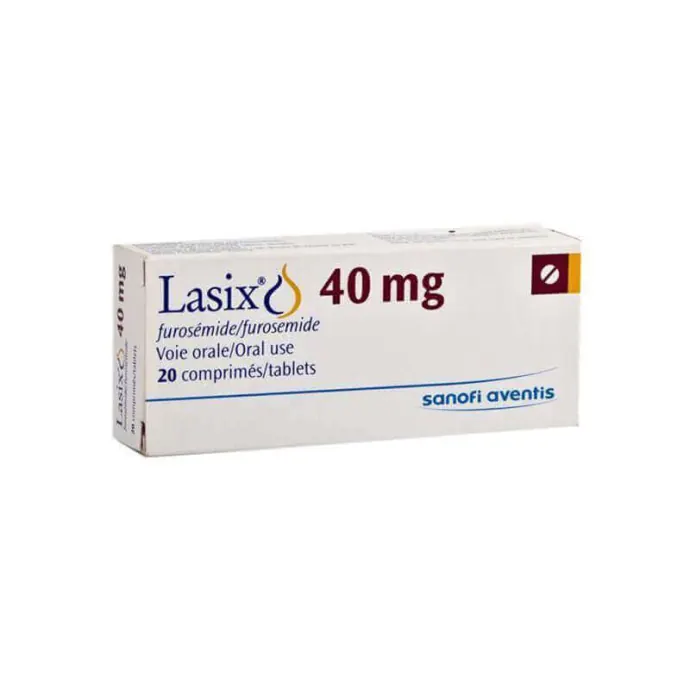
Getting the right quantity is a delicate clinical balance, and your prescriber will set your Lasix dosage around renal function and fluid load; patients should never attempt to buy Lasix without prescription guidance. For basic peripheral edema, adult regimens typically begin with a single morning tablet between 20 mg and 80 mg. If that first dose fails to get fluid moving, prescribers step the amount up by 20 to 40 mg every six to eight hours until diuresis starts. Because of this initial titration, many patients look to buy Lasix 40 mg tablets as their standard maintenance therapy.
For hypertension, a common approach is 40 mg taken twice daily. If kidneys are badly damaged and fluid stays trapped, patients may need to buy Lasix 100 mg under medical supervision, though daily amounts rarely cross 600 mg outside of closely watched hospital wards. A few sensible habits keep therapy predictable:
Swallow tablets whole with a glass of water rather than crushing or splitting them.
Take your pill in the morning so you avoid walking to the bathroom at two in the morning.
You can take it with meals or on an empty stomach, though light food helps if you feel slight nausea.
Take your tablet at roughly the same hour every day to keep diuresis on schedule.
Never take extra pills to compensate for a skipped morning dose. If you miss your schedule, take the tablet right away unless evening has arrived. Taking furosemide late in the afternoon will ruin your night of sleep.
Lasix timing and how long the diuretic effect lasts
Patients always want to know how fast does Lasix work after swallowing a tablet. With standard oral tablets, increased urine output begins within 30 to 60 minutes, hitting maximum output between hour one and hour two. That quick turnaround helps because you can schedule your doses around errands or long drives without unpleasant surprises.
And how long does Lasix last in your system? The main diuretic surge usually wraps up in 6 to 8 hours. The drug carries an elimination half-life of roughly two hours, though renal impairment stretches that window out somewhat. By evening, the intense bathroom trips taper off, giving you a chance to rest peacefully through the night.
Common Lasix side effects and warning signs
Flushing large amounts of liquid and minerals through the kidneys can throw serum electrolytes off balance. Minor reactions occur frequently, particularly during initial titration or after dosage jumps. Lightheadedness upon standing up happens because vascular volume drops quickly as fluid leaves the blood vessels.
The main hazard to track is hypokalemia, or depleted potassium. Low potassium brings muscle cramps, profound tiredness, and erratic heart rhythms. Other recognized Lasix side effects include:
Excessive thirst and dry mouth caused by rapid volume depletion
Low serum sodium, which shows up as headaches or mental confusion
Postural dizziness and occasional spells of vertigo
Mild nausea, stomach discomfort, or loose stools
Elevated uric acid levels, which can trigger painful gout attacks in joints
Cutaneous photosensitivity, meaning your skin burns faster under direct sunlight
Certain clinical factors make furosemide unsafe. Anyone with complete anuria, meaning zero urine output, must avoid this drug entirely. It is dangerous during severe volume depletion, uncorrected electrolyte crashes, or known allergy to sulfonamides, since furosemide has a sulfa-based molecular core. High doses given alongside specific antibiotics can also risk ototoxicity, causing ear ringing or sudden hearing loss.
Important Lasix drug interactions to keep in mind
Furosemide interacts with multiple drug classes, so keep an updated medication record for your pharmacist. Combining certain compounds either blunts diuresis or spikes the likelihood of toxic buildup. For example, common NSAIDs like ibuprofen or naproxen block prostaglandin synthesis, blunting the diuretic effect and stressing delicate renal filtration.
Patients using cardiac glycosides like digoxin face higher risks, because low potassium from loop diuretics makes dangerous arrhythmias much more likely. Other known interactions include:
Aminoglycoside antibiotics: Concomitant use multiplies the odds of irreversible inner ear damage and nephrotoxicity.
Blood pressure pills: ACE inhibitors paired with heavy diuresis can trigger sudden, severe hypotensive drops.
Phenytoin: This anti-seizure compound cuts digestive absorption of oral furosemide.
Sucralfate: Binds the diuretic in the stomach; separate your intake by at least two full hours.
Getting the Lasix best price and discreet dispatch
Managing fluid overload or high blood pressure is an ongoing medical task, so keeping prescription costs reasonable matters for compliance. Many individuals search for a Lasix cheap alternative by opting for generic furosemide over brand-name packages. Generic tablets carry the exact same active pharmaceutical ingredient, act identically in the kidneys, and pass identical regulatory inspections, without the branding cost tacked on.
Buying larger pack sizes remains an effective method to secure the Lasix best price per dose. When using our Lasix online pharmacy service via PharmaAccess, you bypass the operational markups typical of traditional retail counters while managing refills directly from home. Orders ship in plain, unmarked parcels with active tracking numbers to protect your privacy. While buyers frequently check for Lasix over the counter availability, an authentic prescription or clinical review remains mandatory to verify that this strong loop diuretic matches your renal numbers and cardiac status.
Frequently Asked Questions about Lasix
Can you drink alcohol with Lasix?
Limiting or skipping alcohol is the safer path while on this medication. Both alcohol and furosemide dilate vessels and pull water out of the circulation, so pairing them together sharpens dizzy spells, orthostatic drops, and fainting risks whenever you stand up quickly.
How fast does Lasix work to clear excess fluid?
Oral tablets begin working within 30 to 60 minutes after ingestion. Peak urination occurs around the one-to-two-hour mark, letting you schedule treatment times cleanly before leaving the house for work or personal appointments.
What is the difference between Lasix 40 mg and Lasix 100 mg?
The difference is active potency. The 40 mg tablet serves as the standard starting strength for mild to moderate fluid retention and routine blood pressure therapy. The 100 mg dose is used for stubborn edema, particularly in advanced renal compromise where nephrons need heavy stimulation to produce urine.
Can I take my daily dose with food?
Yes, you can take your tablet with meals or between them. Food might slightly delay absorption through the stomach wall, but it does not weaken the final fluid clearance, and a morning meal helps prevent stomach irritation.