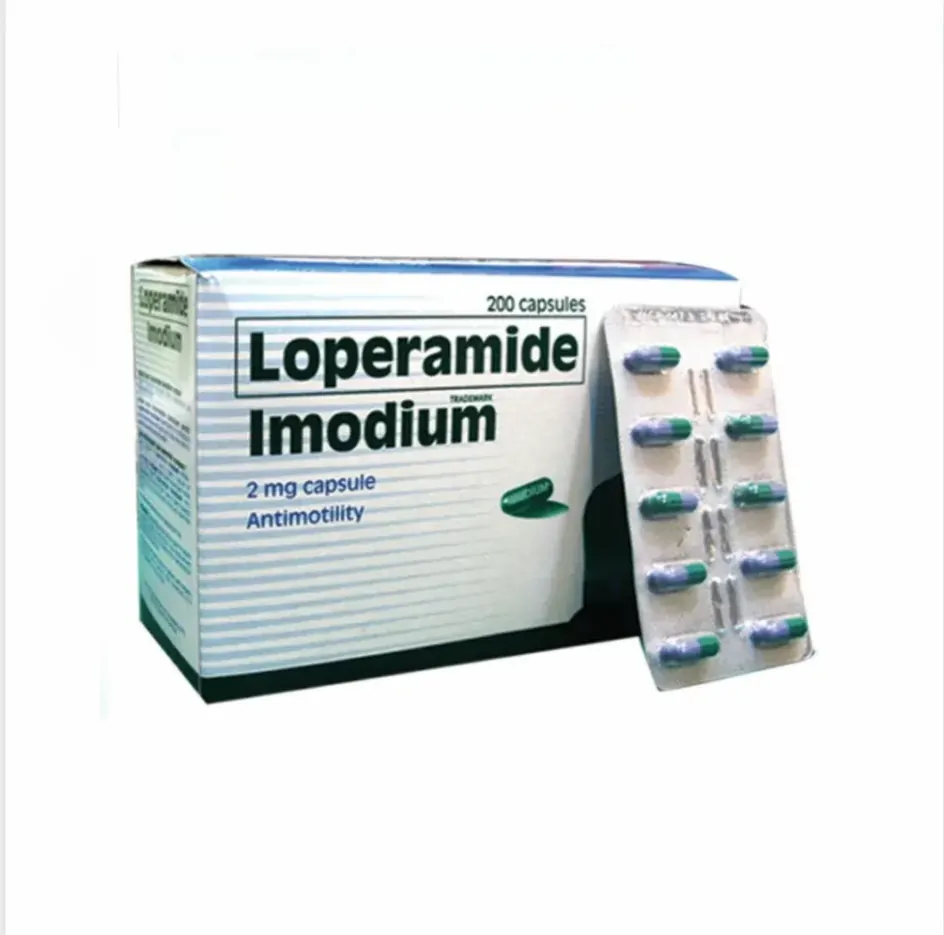
Rapid bowel control with 2 mg loperamide hydrochloride
Sudden gut trouble ruins an entire day before lunch. When loose stools catch you on the road or halfway through a shift, waiting around is not an option. Genuine Imodium tablets contain 2 mg of loperamide hydrochloride, slowing down hyperactive intestinal contractions so your colon can draw liquid back in properly.
Whether you need to buy Imodium without prescription for vacation bugs or manage sudden flare-ups at home, finding a reliable supplier makes all the difference for quick recovery.
Diarrhea hits without warning. You might pick up an unfamiliar microbe from hotel tap water, or perhaps simple anxiety sets off the digestive system. Each tablet delivers loperamide hydrochloride at a 2 mg strength. Chemically, it belongs to synthetic opioid receptor agonists. The term sounds alarming, but the molecule does not cross the blood-brain barrier in meaningful amounts under normal conditions. It remains right inside the enteric system where stool transit takes place.
Patients frequently ask is Imodium sold without prescription and what it is used for in everyday medical care. Clinicians generally recommend it for acute nonspecific diarrhea, which is just the technical term for abrupt watery stools without an identified bacterial pathogen. It also treats chronic loose stool patterns linked to Crohn's disease, ulcerative colitis, or altered intestinal transit after an ileostomy. Running to the washroom four times an hour drains your energy fast, making targeted intestinal control essential.
Targeting mu-opioid gut receptors within 30 to 60 minutes
The question of how fast does Imodium work comes down to local absorption along mucosal tissue. Most individuals feel steady relief within 30 to 60 minutes after swallowing a dose. Loperamide binds directly to gut mu-opioid receptors, signaling circular and longitudinal smooth muscles to ease their rapid contractions.
Normal digestion moves material along via rhythmic peristaltic waves. During diarrhea, those smooth muscle contractions fire uncontrollably, pushing unabsorbed liquid past the mucosal lining before water and sodium can return to circulation. Loperamide puts the brakes on that runaway process. Stool gains actual bulk, bathroom visits drop off, and internal anal sphincter tone increases to stop unexpected accidents. Because your liver clears almost all absorbed drug via first-pass hepatic CYP enzymes while P-glycoprotein efflux pumps bar access to brain tissue, the calming effect stays strictly confined to intestinal walls.
Proper Imodium dosage across 24 hours: 4 mg start to 8 mg limit
Getting the numbers right keeps the medicine safe and effective. Standard guidance on how to take Imodium for acute diarrhea in adults begins with a 4 mg loading dose. You swallow two 2 mg capsules right after the first watery, unformed stool. Following that initial pair of pills, take a single 2 mg capsule after every subsequent loose bowel movement.
Never push beyond the ceiling. The maximum daily Imodium dosage for over the counter self-care is strictly 8 mg within any 24-hour period, equaling four tablets total. Even if cramping continues, exceeding this threshold does not speed recovery and introduces cardiac toxicity risks. Swallow tablets with plain water, with or without food. Remember that antidiarrheals stop fluid loss from the bowel, but they cannot replace lost volume: drink electrolytes and broth while resting.
Constipation, dizziness, and other 14-hour clearance effects
Loperamide features an elimination half-life between 9 and 14 hours. That prolonged window means active compound remains bound to intestinal tissue for roughly half a day before hepatic metabolism and biliary excretion clear the metabolites. While this longevity ensures extended protection, it also means Imodium side effects linger if someone doses too aggressively.
Constipation is the most frequent adverse reaction by a wide margin. Continuing to swallow pills after stools have already firmed up often leaves patients unable to empty their bowels for two or three days. Other reported issues include nausea, dry mouth, mild abdominal cramps, and slight drowsiness. If you develop extreme abdominal distension, severe colic, or an inability to pass wind, stop treatment immediately. Those red-flag signs point toward paralytic ileus, where bowel motility halts completely.
Avoiding 2 mg pills in kids under 2 and dysentery cases
Stopping gut motility is not always the correct clinical goal. In specific clinical scenarios, chemically halting bowel transit causes genuine harm. For example, children younger than 2 years of age must never receive loperamide because of documented risks of central respiratory depression and paralytic ileus.
High fever or blood in stool: Invasive pathogens like Salmonella, Shigella, or Campylobacter need to clear out. Trapping invasive bacteria inside the intestinal tract allows dangerous endotoxins to enter the bloodstream.
C. difficile colitis: Never take antidiarrheals if watery stools begin during or shortly after a broad-spectrum antibiotic regimen.
Acute ulcerative colitis flares: Paralyzing an inflamed colon can prompt toxic megacolon, an acute surgical emergency involving massive colonic dilation.
Isolated stomach pain without diarrhea: If loose stools are absent, loperamide offers zero clinical utility and will only create severe constipation.
Interactions with 3A4 inhibitors and cardiac risks
Hepatic clearance of loperamide relies on cytochrome P450 enzymes, particularly CYP3A4 and CYP2C8. When prescription co-medications inhibit these metabolic enzymes, systemic loperamide concentrations in plasma rise significantly. Problematic interacting agents include oral antifungals like ketoconazole and itraconazole, the lipid regulator gemfibrozil, and antiarrhythmics like quinidine.
Supratherapeutic blood levels pose real danger: the drug blocks potassium channels in cardiac myocytes, inducing QT prolongation, syncope, and fatal ventricular arrhythmias such as Torsades de Pointes. Combining loperamide with alcohol or central sedatives also amplifies central nervous system sluggishness. Check all active prescriptions with a pharmacist before combining any ongoing treatments with antidiarrheal regimens.
Finding Imodium over the counter: 6 to 24 tablet pack options
When you buy Imodium without prescription through a reputable supplier, keeping bathroom emergencies manageable becomes straightforward. Depending on your household requirements, choosing to buy Imodium 2 mg in multi-count boxes of 12, 18, or 24 tablets yields a much lower per-dose expense than buying tiny emergency packs at travel kiosks. Checking options through a certified supplier lets you keep sealed blister packs in your travel kit or work desk before symptoms strike.
The choice to order Imodium online also saves you from leaving home while experiencing violent stomach cramps and urgency. Quality suppliers ship products in plain protective parcels with end-to-end carrier tracking, giving you swift access to trusted antidiarrheal relief without unnecessary hassle.
FAQ
How fast does Imodium work after taking it?
Most individuals experience noticeable bowel slowing within 30 to 60 minutes after taking their initial dose. The active loperamide binds local intestinal receptors quickly, helping stools firm up steadily over the next few hours.
Can you drink alcohol with Imodium?
Avoid alcohol while taking this medicine. Alcohol irritates the mucosal lining of the gut, accelerates dehydration during active diarrhea, and worsens side effects like dizziness and fatigue.
What should I do if a dose is missed?
Loperamide is dosed according to loose bowel movements rather than on a rigid clock schedule. Simply take one 2 mg tablet after your next unformed stool, never exceeding the 8 mg daily limit.
How long does Imodium last in the body?
A standard dose provides gut-slowing effects for roughly 8 to 12 hours. The active drug has an elimination half-life ranging between 9 and 14 hours before natural clearance through the liver and stool.