Most diabetes tablets work on insulin or on the liver. This one works on the kidney and takes a completely different path.
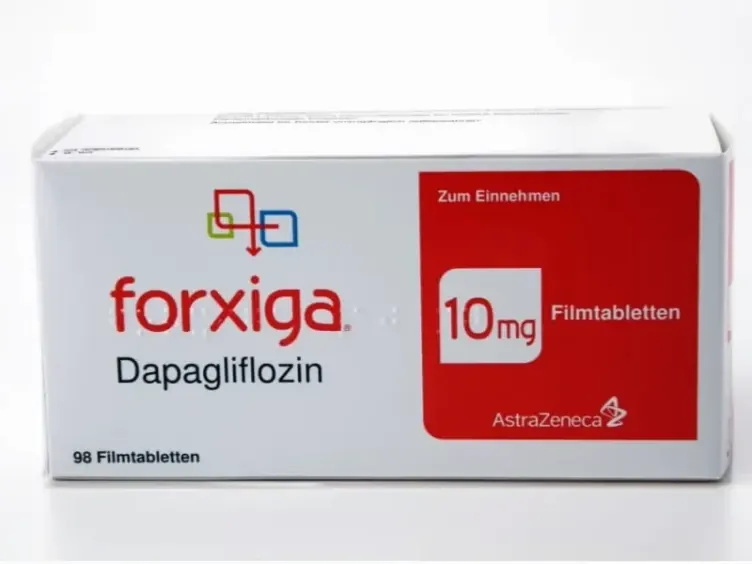
Dapagliflozin stops the kidney reclaiming glucose from urine, so excess sugar simply leaves the body.
Without prescription, plain packaging. Hydration and hygiene matter more on this one.
Does the kidney really reclaim every bit of sugar?
Here is something most people do not know about their own physiology.
Your kidneys filter glucose out of the blood constantly — a substantial amount every day. And then they reabsorb essentially all of it, because glucose is too valuable to throw away.
A transport protein called SGLT2 does most of that reclaiming, in the early part of the kidney tubule.
Dapagliflozin blocks it.
Glucose stays in the urine and leaves the body. Blood sugar falls, and it does so without involving insulin at any point.
That last part is why the risk of low blood sugar with this drug on its own is very low. It is not pushing insulin out; it is opening a drain.
Benefits beyond blood sugar
This turned out to be more interesting than a sugar-lowering tablet, which is why it is now used in people who do not have diabetes at all.
Heart failure. It reduces hospital admissions and improves outcomes, through mechanisms only partly explained by the fluid loss.
Kidney protection. It slows the progression of chronic kidney disease, which is notable given that it works at the kidney.
Blood pressure and weight. Modest reductions in both, as a side effect of losing glucose and water.
Losing calories in the urine is an unusual way to lose weight, but it is real.
Drink more than you think you need
Glucose in the urine pulls water with it by osmosis. You pass more urine, and it is easy to drift into mild dehydration without noticing.
Signs: thirst, dry mouth, dizziness when standing, unusual tiredness, dark urine.
Keep fluid intake up as routine. And be extra careful in hot weather, during exercise, or if you develop vomiting or diarrhoea.
Which leads to an important rule: if you become seriously unwell and cannot eat or drink normally, this is one of the medicines that often needs pausing until you recover. That should be arranged in advance so you know what to do.
Genital infections: the common side effect
Sugar in the urine feeds yeast. The consequence is predictable.
Thrush and genital infections are the most common side effect, in both men and women, and they are considerably more likely than with other diabetes tablets.
What reduces the risk substantially:
Wash with plain water daily and dry thoroughly
Cotton underwear, nothing tight
Keep fluid intake up, which dilutes the urine
Men, including the area under the foreskin
Treat an infection promptly rather than waiting
A rare but serious infection of the genital area, with rapidly increasing pain, swelling, redness and fever, needs emergency attention. Very uncommon, but worth being able to recognise.
Ketoacidosis without high blood sugar
This is the warning that genuinely matters and it is counterintuitive.
Normally diabetic ketoacidosis comes with very high blood sugar, which is what alerts people. With this class it can occur with blood sugar that looks near-normal.
So the sugar reading can be reassuring while something serious is developing.
Symptoms: nausea and vomiting, abdominal pain, deep rapid breathing, unusual tiredness, confusion, a sweet or fruity smell on the breath.
Risk rises with illness, surgery, fasting, very low carbohydrate diets, and heavy alcohol intake.
If those symptoms appear, do not be reassured by a normal glucose reading. Seek help.
Taking it
Once daily, any time, same time each day.
With or without food.
Keep water available.
Expect more urination at first; it usualy settles.
Possible side effects
Genital thrush and urinary infections
Increased urination
Thirst
Dizziness on standing
Mild weight loss
Back pain
Low blood sugar is uncommon with this alone, but more likely in combination with insulin or sulfonylureas.
Ordering without prescription: how it works
Daily dosing with a hydration routine attached makes an unbroken supply the sensible plan.
Pick the strength and the pack size, put in a delivery address, confirm. Couple of minutes, any time of day, no queue and no conversation across a counter.
It goes out in plain packaging. No pharmacy name on the outside, nothing that hints at what is inside. How long delivery takes depends on where the parcel is headed.
On price it comes down to strength and pack size. Larger packs generally work out better per unit, which matters on something taken long term.
Parcels leave on working days, so UK public holidays and weekends push everything back. If it matters to a date, order with a few days to spare rather than none. Nobody can promise a calendar day.