Everyone forgets a tablet occasionally. With some blood pressure medicines that leaves a real gap in cover.
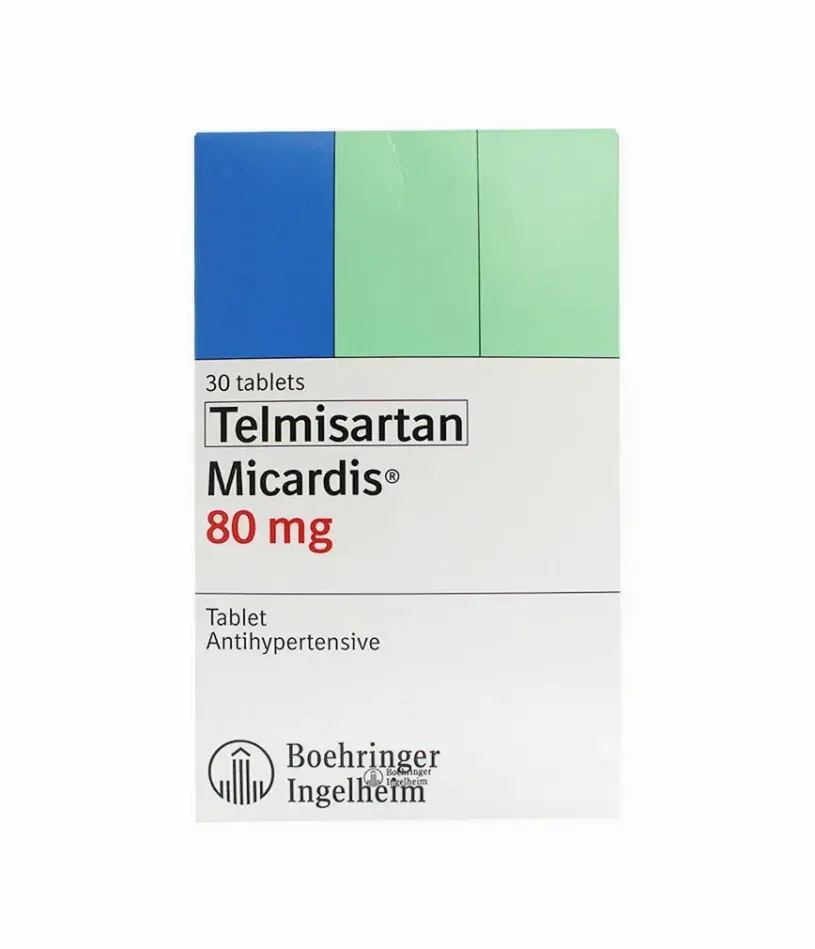
Telmisartan stays in the body longer than the others in its class, so a late dose matters less.
Without prescription, plain packaging. Give it a month before judging the effect.
Like the other sartans, telmisartan blocks the receptor that angiotensin II acts through. Vessels relax, the kidneys stop retaining salt and water, and the strain on the heart falls.
What distinguishes it is how long it stays around. It has the longest duration of action in its class.
The practical consequence: blood pressure cover holds steadily across twenty-four hours, including the early morning hours when pressure naturally rises and when cardiovascular events cluster.
And if a dose slips by several hours, you are not suddenly uncovered. That is a real advantage for anyone whose routine is not identical every day.
Used for more than blood pressure
High blood pressure
Reducing cardiovascular risk in people with established vascular disease or high-risk diabetes
Protecting kidney function
The second point is worth noting. It is used in some people specifically to lower event risk, not only to move a number — which means it may be prescribed even where blood pressure is not dramatically high.
Four weeks, then judge it
Blood pressure medicines settle slowly. Something happens quickly, but the full effect takes about a month.
Checking after a few days and adjusting on that basis is the classic error. Measure over a week, wait, measure again.
One tablet daily, consistent timing.
With or without food.
Swallow whole.
Keep taking it when readings are fine.
No cough
If you came off an ACE inhibitor because of a persistent dry cough, that is the main reason this class exists as an alternative.
ACE inhibitors block an enzyme, and a side consequence is that bradykinin builds up in the airway lining and provokes coughing. Sartans block the receptor instead and leave that enzyme alone.
Same blood pressure benefit, without the cough.
Potassium and kidney monitoring
Standard for the class: this can raise blood potassium and shift kidney function readings. Blood tests after starting and after dose changes are normal practice rather than excessive caution.
Keep in mind: potassium supplements, low-sodium salt substitutes made from potassium chloride, and certain diuretics all push in the same direction.
And anti-inflammatory painkillers taken regularly reduce the blood pressure effect while adding strain on the kidneys.
Dizziness, dehydration and hot weather
Lightheadedness on standing is most common in the first weeks and after a dose increase. Standing up in stages handles most of it.
The situations that make it worse are predictable: hot weather, illness with vomiting or diarrhoea, inadequate fluid intake, or a hard training session.
If you cannot keep fluids down for more than a day, that is worth getting advice about rather than taking the usual dose and hoping.
Possible side effects
Dizziness
Back pain or muscle aches
Sinus symptoms
Headache
Raised potassium
Altered kidney blood tests
Swelling of the face, lips or tongue is rare in this class but needs urgent help if it occurs.
What else moves the numbers
Salt reduction — bread, processed meat and ready meals are the real sources
Regular aerobic exercise
Weight reduction where applicable
Stopping smoking
Less alcohol
Investigating snoring and daytime sleepiness, since sleep apnoea drives resistant hypertension
Treatment-resistant high blood pressure is often untreated sleep apnoea. It is one of the most commonly missed explanations.
Not in pregnancy
This class can cause serious harm to a developing baby. Stop and get advice immediately if pregnancy occurs or is planned.
Ordering without prescription: how it works
Long-acting or not, the benefit depends on taking it continuously over years.
Pick the strength and the pack size, put in a delivery address, confirm. Couple of minutes, any time of day, no queue and no conversation across a counter.
It goes out in plain packaging. No pharmacy name on the outside, nothing that hints at what is inside. How long delivery takes depends on where the parcel is headed.
On price it comes down to strength and pack size. Larger packs generaly work out better per unit, which matters on something taken long term.
Nothing is asked of a UK buyer beyond an address. No prescription to upload, no consultation, nobody ringing back to ask questions you did not invite. You pick the strength, you pick the quantity, that is it.