
Diabetes Medication Without Prescription | Blood Sugar
Type 2 diabetes develops over years and produces no symptoms for most of that time. It is usually found by a blood test taken for something else.
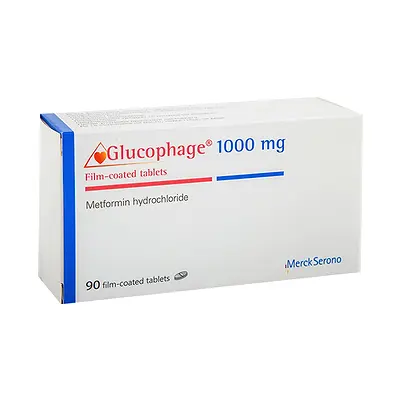
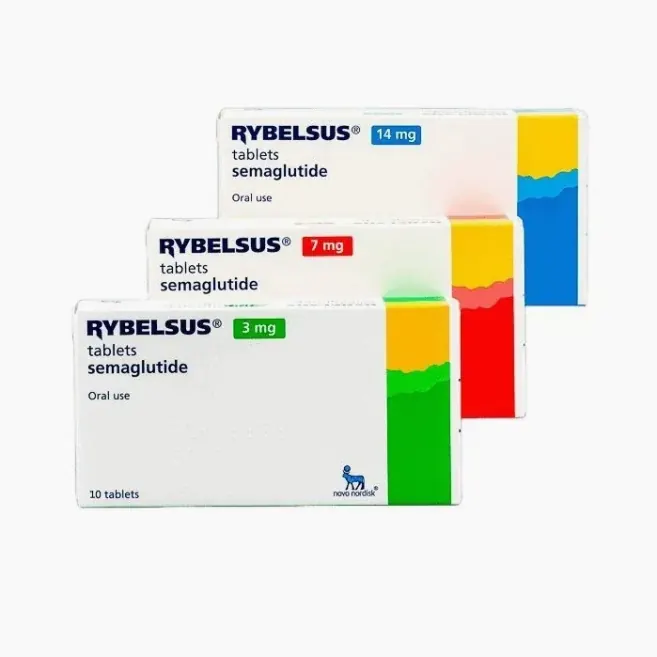
These medicines lower blood sugar by several different routes. Without prescription, in plain packaging.
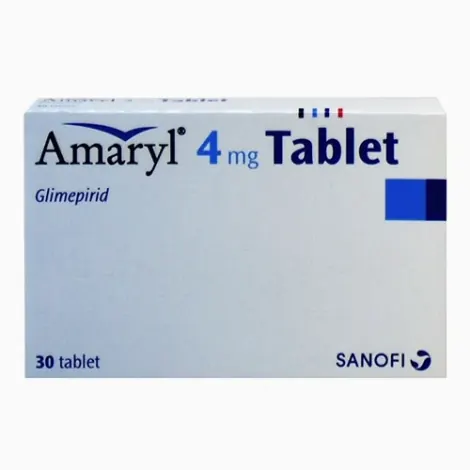
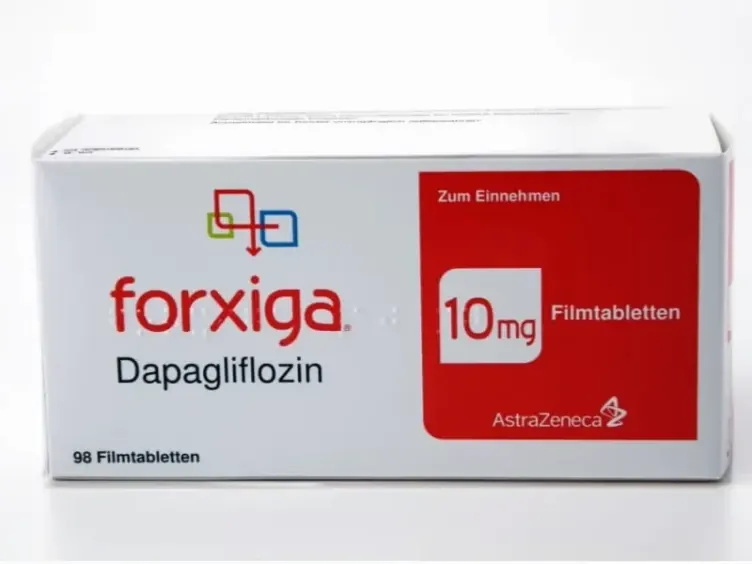
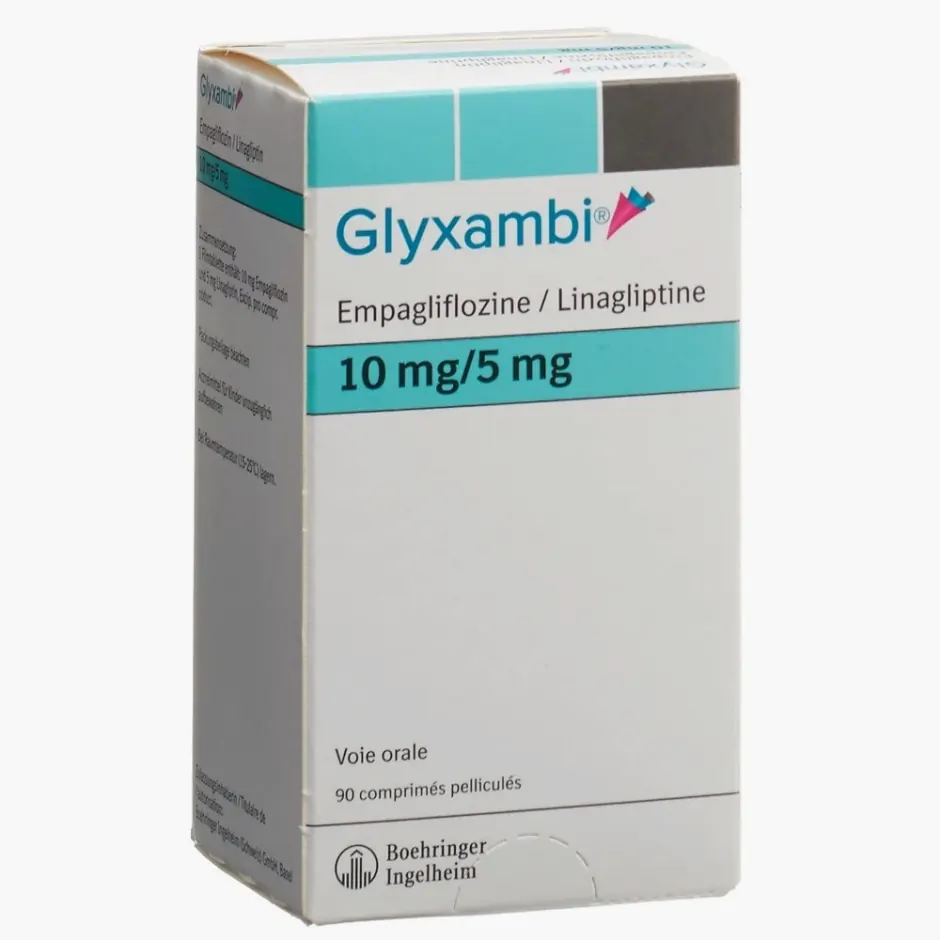
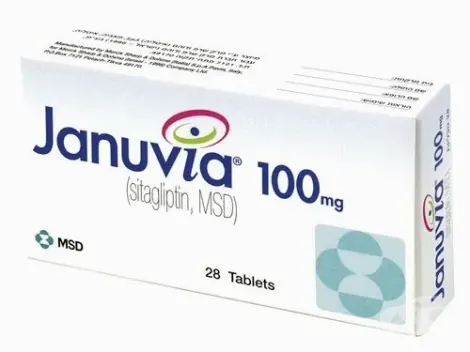
What has gone wrong?
Insulin works like a key, opening cells so glucose can get in from the blood.
In type 2 diabetes the lock becomes stiff. Cells respond less and less, so the pancreas produces more insulin to compensate — and for years it succeeds.
During that period blood sugar can still look normal. Which is exactly why the condition goes undetected for so long.
Eventually the pancreas cannot keep up. Sugar rises and starts damaging small blood vessels — in the eyes, kidneys and nerves — as well as the large ones.
Several routes to the same target
- Reducing glucose output from the liver and improving how cells respond to insulin
- Prompting the pancreas to release more insulin
- Strengthening the gut hormones released after a meal
- Excreting excess glucose through the kidneys in the urine
- Slowing carbohydrate absorption in the intestine
Because the points of action are so different, these medicines are frequently combined. Not because the first one failed, but because together they work better than either pushed to its maximum.
Low blood sugar: know the signs
Not every diabetes tablet carries this risk, but where it exists the signs need knowing cold.
Cold sweat, shaking, pounding heart, sudden hunger, pallor, difficulty concentrating, irritability, dizziness.
What to do: fast sugar immediately — juice, glucose, plain sugar. Then something with slower carbohydrate so it does not drop again.
Risk rises with a missed meal, unusually hard exercise, and alcohol. Alcohol is particulary deceptive: it blocks the liver from releasing stored sugar, and the symptoms get mistaken for drunkenness.
Keep something sweet within reach. Pocket, car, bedside.
One number matters more than daily readings
A single glucose reading is a snapshot of one minute. HbA1c is a summary of the last few months.
It measures how much of the red blood cell pigment has become permanently bound to glucose, and since red cells live a few months, the result is an average across that period.
Which means a disciplined week before the test changes nothing. Everyday habits are what show up.
Check your feet daily
It sounds excessive until you know why.
Raised blood sugar damages small nerves, and sensation in the feet fades so gradually that nobody notices it going. A blister, a stone in the shoe or a small cut then goes unfelt.
Circulation is often poorer too, so the wound heals slowly. A trivial injury becomes a serious problem.
- Look at your feet daily, including between the toes and underneath
- Use a mirror, or ask someone
- Shoes that fit, never tight
- Shake out shoes before putting them on
- Never barefoot
- Anything not healing quickly gets seen
What changes most beyond the tablets
In this condition the effect of lifestyle is larger than in almost any other.
- Movement — muscle takes up glucose without needing insulin
- Weight loss, particularly around the middle
- Fewer refined carbohydrates and less white flour
- Fibre, which slows absorption
- Regular meal timing
- Enough sleep
A walk after a meal noticeably blunts the post-meal spike. It is the simplest and most underrated item on the list.
Checks worth keeping
Eyes, kidneys, nerves and circulation all need periodic review — including when nothing feels wrong.
Retinal damage produces no symptoms for a long time and treats well when caught early. The same applies to the kidneys.
Ordering without prescription: how it works
Daily long-term treatment means ordering ahead rather than discovering an empty pack.
Pick the product, the strength and the pack size, enter a delivery address and confirm. A couple of minutes, any time of day, no queue and no conversation across a counter.
Everything goes out in plain packaging. No pharmacy name on the outside, nothing indicating what is inside. How long delivery takes depends on where the parcel is going.
On price, the factors are strength and pack size. Larger packs generaly work out better per unit, which matters most for anything taken long term.
A parcel locker or a work address works as well as home for UK delivery, provided the details are complete and the name is on the door. The plain packaging is unchanged either way.