
Buy Pain Relief Online - PharmaAccess


Targeting Different Types of Pain
Pain rarely behaves in a straightforward way. Clinicians generally split it into acute and chronic problems, based mainly on how many weeks it sticks around. Acute distress strikes abruptly from a sprained wrist, a deep laceration, or recent dental work, and it usually subsides as damaged tissues knit back together. Chronic aches behave differently. They persist past twelve weeks, turning into an ongoing condition that requires structured daily care rather than quick fixes.
Mechanical joint wear or sudden lumbar strain falls under nociceptive pain. This happens when peripheral nerve endings pick up genuine tissue damage or local swelling. Neuropathic trouble is distinct, arising from irritated or injured nerves that fire false warning signals like burning, tingling, or electric shocks. Nailing down which category describes your symptoms helps determine which pain relief medication will actually calm things down.
NSAIDs and Everyday Relief
Nonsteroidal anti-inflammatory drugs remain the standard starting choice for swollen joints, pulled tendons, and everyday muscle aches. Medications in this class work by blocking cyclooxygenase enzymes, known widely as COX-1 and COX-2. This chemical blockade prevents your body from churning out prostaglandins, the specific fatty compounds that trigger swelling and make nerve endings hypersensitive.
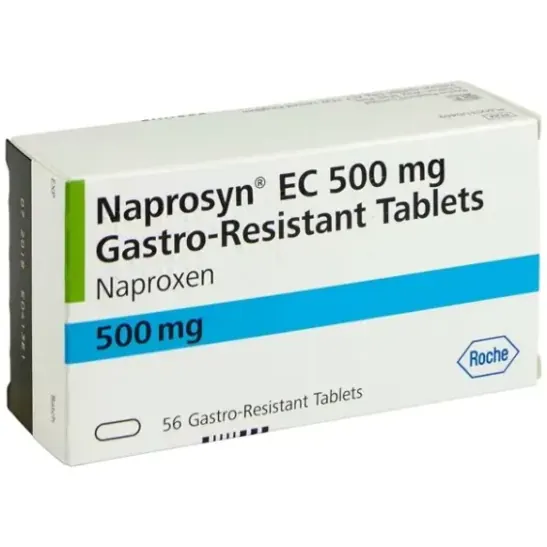
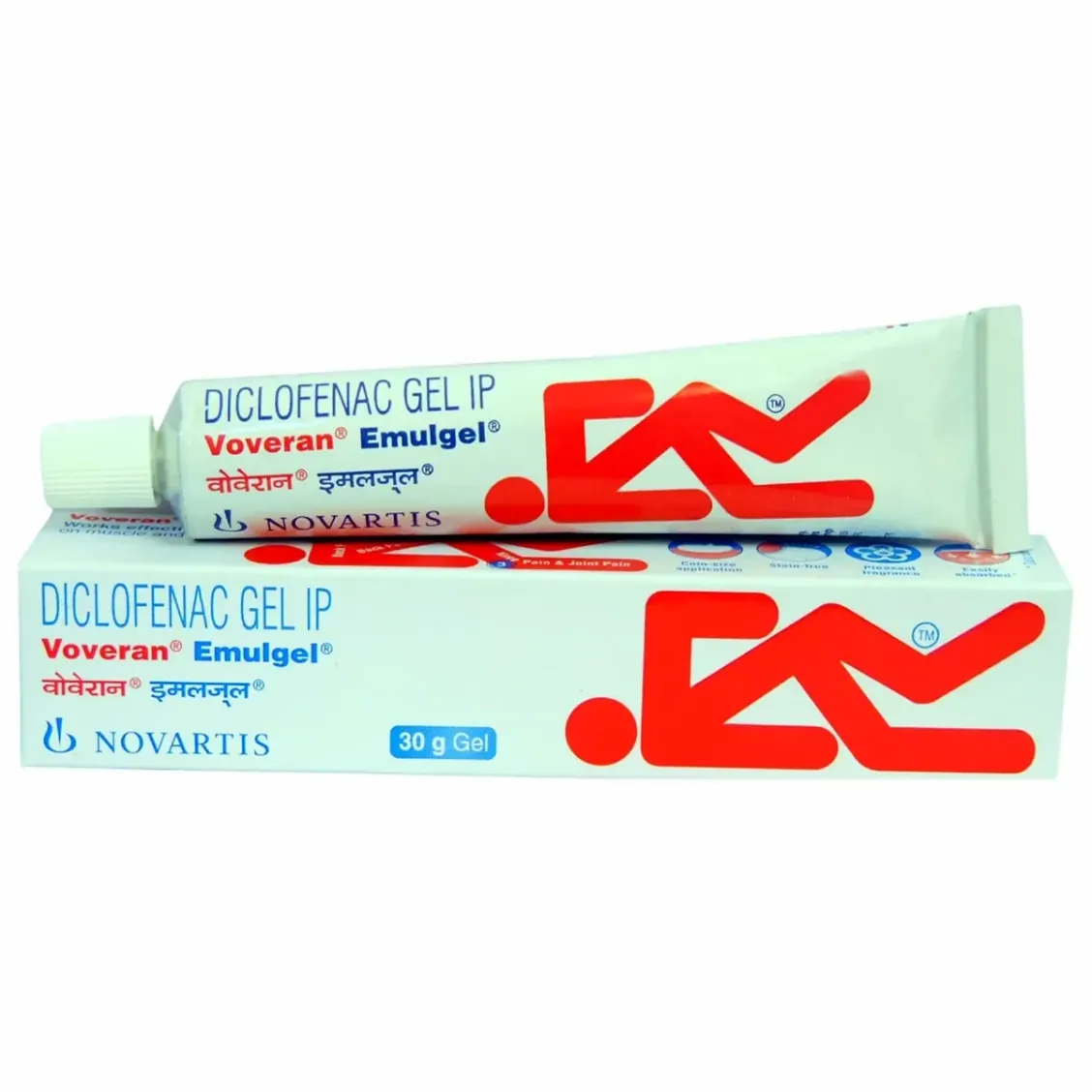
Generic ibuprofen, naproxen, diclofenac, and meloxicam are common choices that patients rely on for pain relief without prescription or through a doctor. They calm local swelling and take the edge off moderate aches remarkably well. Still, systemic NSAIDs can irritate the stomach lining or cause acid reflux when taken without care, so taking your dose alongside food or milk is sensible practice.
Muscle Relaxants for Spasms
Skeletal muscles often lock up tight after sudden lifting or an awkward slip on uneven ground. When painful spasm locks the lumbar spine or neck muscles, a basic paracetamol or ibuprofen tablet often fails to release the physical knot on its own.
Prescription drugs like cyclobenzaprine, baclofen, and tizanidine interrupt that tension loop by acting on central nervous system pathways. They do not numb the muscle fibers directly. Instead, they dampen spinal cord reflexes that keep the tissue contracted. Because drowsiness is a frequent side effect, most people prefer taking their dose right before bed while resting at home.
Managing Nerve Troubles
Damaged nerves do not respond well to typical over-the-counter painkillers. Stubborn conditions like diabetic peripheral neuropathy, post-herpetic neuralgia from shingles, and pinched sciatic roots demand therapies that quiet hyperactive peripheral signaling at the root.
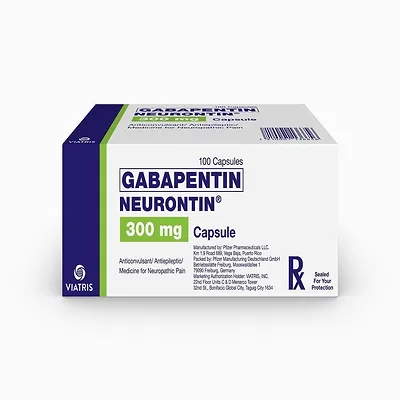
Anticonvulsants like gabapentin and pregabalin target voltage-gated calcium channels across overactive neurons, reducing the release of excitatory neurotransmitters. Antidepressants such as duloxetine and amitriptyline are also frequently prescribed for neuropathic distress. They increase synaptic levels of serotonin and norepinephrine, strengthening the natural inhibitory pathways that mute pain messages traveling up the spinal column.
Stopping Acute Migraines Fast
True migraine attacks bring pounding, one-sided head pain combined with severe light sensitivity and waves of nausea. Plain analgesics rarely provide adequate relief once a full vascular headache gains momentum.
Specific combinations and targeted prescription abortives work to narrow dilated cranial vessels and block pain pathways in the trigeminal nerve system. Taking your dose during the earliest warning phase or visual aura gives you the best pain relief outcome, before the central sensitization process becomes harder to interrupt.
What Shapes the Pain Relief Price?
Patients often notice wide price variations between different boxes on standard pharmacy shelves. The primary factor determining the final price when you buy pain relief is whether you choose a generic equivalent or a heavily marketed brand-name product. Generic medications feature identical active ingredients, strength profiles, and dissolution rates, but they bypass the massive promotional campaigns that drive up brand costs.
Pack size makes a noticeable difference as well. Buying larger 100-count bottles lowers the unit cost per pill compared to 20-tablet blister cards. Choosing to buy pain relief online also cuts out traditional storefront overhead. When you order pain relief online, running a quick pain relief comparison across generic pack sizes remains the most economical strategy.
How Delivery and Ordering Work
Ordering your maintenance pills through PharmaAccess takes only a few minutes. You find the correct generic item, pick your required strength, and complete the encrypted checkout form. Reliable pain relief delivery requires careful handling, so we ship every order in plain, unmarked parcels with zero external hints of the contents inside. Every order includes tracking information, letting you monitor transit until the package arrives safely at your home.
Frequently Asked Questions
What is the difference between brand and generic painkillers?
Generic versions use the exact same chemical molecules, dosages, and purity standards as branded medications. Regulatory authorities require them to demonstrate strict bioequivalence, so they work equally well while saving you significant money at checkout.
Can I take an NSAID together with a muscle relaxer?
Prescribers frequently combine an NSAID like naproxen with a muscle relaxant like cyclobenzaprine for acute lumbar strains. They work through distinct biological pathways. You should confirm this combination with your doctor or pharmacist first to ensure your kidneys and stomach can handle both drugs safely.
Why do standard painkillers fail on nerve pain?
Standard analgesics like aspirin or paracetamol act primarily on peripheral inflammatory enzymes. Neuropathic pain originates from damaged, hyper-firing nerves, which require specialized compounds like gabapentin or duloxetine that alter central neurotransmitter transmission.