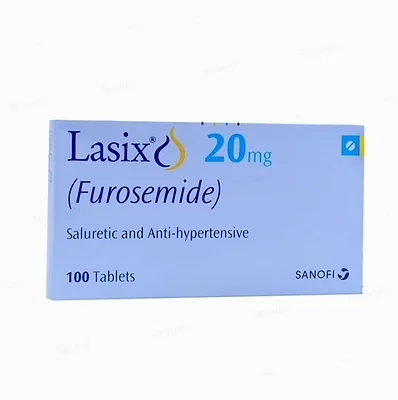
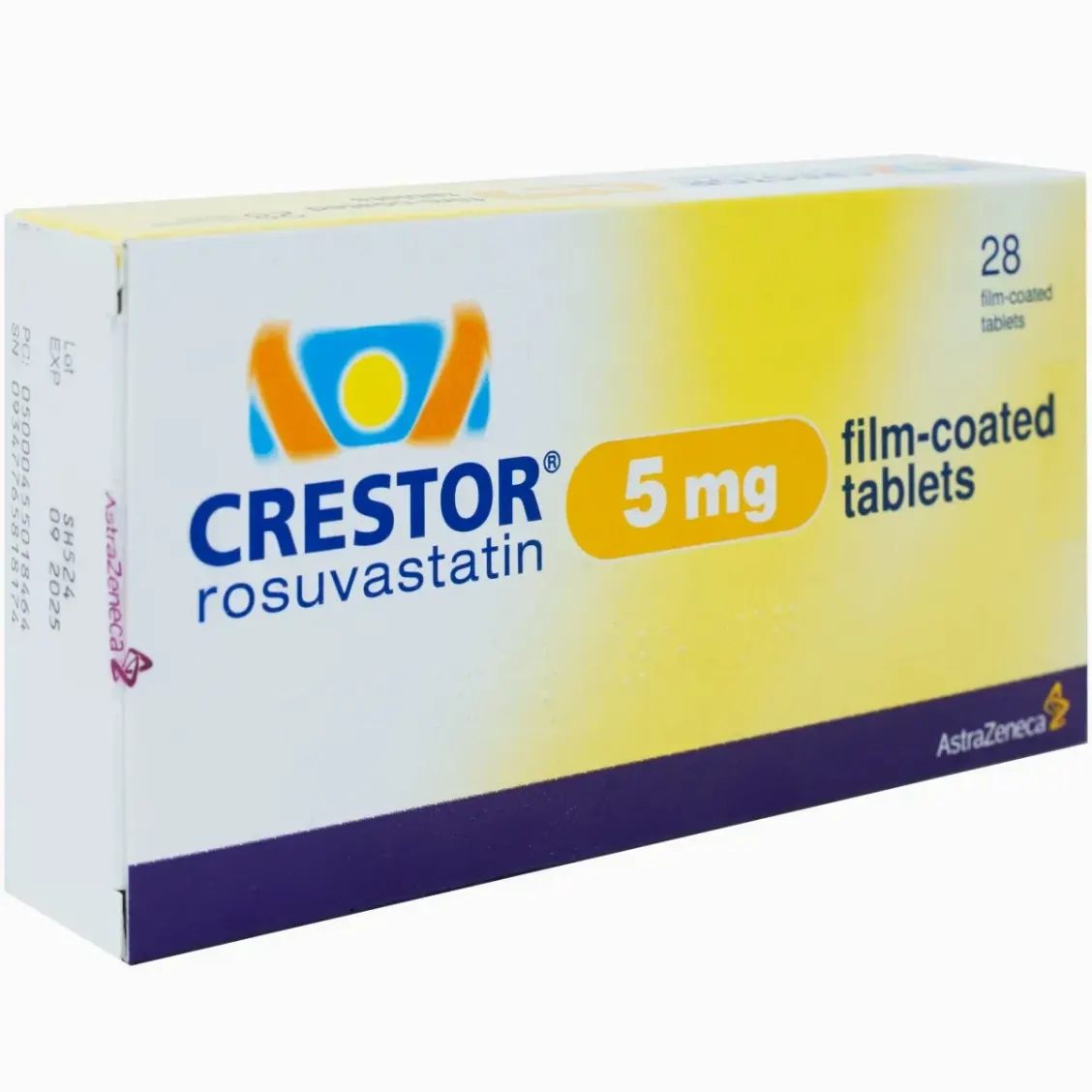
Furosemide is a fast-acting diuretic prescribed to flush excess fluid and manage elevated blood pressure. When ankles swell from heart failure or fluid builds up from chronic kidney disease, generic Furosemide tablets deliver the exact medical effect of brand-name Lasix at a fraction of the cost.
Purchasing through PharmaAccess gets you authentic medication in sealed blister packs with dependable delivery. Managing persistent fluid retention should never require overpaying at retail counters.
If you plan to buy Furosemide for stubborn swelling, you join millions handling fluid buildup every year. Edema happens when interstitial spaces in body tissue trap pooling liquid. You see it in puffy ankles, swollen calves, and tight shoes after hours of standing. Sometimes fluid settles deeper, collecting in lung tissue or within the peritoneal cavity. Cardiologists and nephrologists see this constantly in congestive heart failure, hepatic cirrhosis, and nephrotic syndrome. In hypertensive cases, prescribers often add this medication to existing regimens to relieve vascular volume pressure.
The molecule itself is furosemide, an anthranilic acid derivative appearing as an odorless white crystalline powder. Pharmacologically, it falls into the loop diuretic class. Patients call them water pills. They pack considerably more diuretic force than thiazides, stepping in when milder compounds fail to pull fluid out of tissues.
How this water pill flushes salt and water
Kidneys filter waste through roughly a million nephrons while maintaining precise blood electrolyte concentrations. Inside each nephron, a specialized segment called the thick ascending limb of the loop of Henle reabsorbs about 25 percent of filtered sodium and chloride back into systemic circulation. That is where this compound goes to work.
Furosemide binds directly to the chloride-binding site of the luminal NKCC2 cotransporter. By shutting down this transport protein, the drug halts reabsorption of sodium, potassium, and chloride ions. Simple osmotic pressure does the rest. Water follows sodium, staying trapped inside the renal tubule instead of leaking into extracellular tissues. The result is rapid, profuse urination that quickly sheds vascular fluid volume, easing cardiac preload and reducing elevated blood pressure.
How fast does the medication start working?
Patients wondering how fast does Furosemide work usually see results within an hour. Standard oral Furosemide tablets begin prompting urine output between 30 and 60 minutes after ingestion. Peak diuresis hits between the first and second hour, remaining active for approximately 6 to 8 hours. Fast. That swift onset means your daily schedule requires some deliberate planning.
Waking up three times overnight to empty your bladder ruins healthy sleep patterns. For this reason, clinicians routinely direct patients to take single doses right after breakfast. Since you cannot purchase Furosemide over the counter, dosing remains strictly guided by a provider; if your prescription splits into two daily doses, swallow the second dose by mid-afternoon, around 2:00 PM or 3:00 PM. This keeps midnight bathroom visits to a minimum.
Why doctors recommend you buy Furosemide 40 mg
Determining your exact Furosemide dosage depends heavily on baseline kidney filtration, cardiac status, and swelling severity. For generalized peripheral edema, adults typically start with an initial single oral dose between 20 mg and 80 mg. When fluid remains stubbornly locked in place, the prescriber may titrate upward by 20 mg to 40 mg every 6 to 8 hours until steady diuresis begins. Once calibrated, maintenance therapy settles into a predictable once- or twice-daily routine.
Many patients buy Furosemide 40 mg because this dose is the clinical workhorse for ongoing outpatient maintenance. For chronic hypertension, standard regimens lean on 20 mg to 40 mg twice daily. When learning how to take Furosemide properly, adhere to several practical dosing rules:
Swallow each tablet whole with a generous glass of clean water.
Take doses with meals if you notice gastric discomfort, or on an empty stomach if you tolerate it fine.
Do not crush or split tablets without explicit instructions from your pharmacist.
Skip missed pills if afternoon has already faded into evening, picking up your regular morning schedule the next day.
Never take two doses together to offset a missed tablet. Doubling up risks sudden hypovolemia, dizzy spells, and precipitous blood pressure drops.
Key safety warnings
Potent diuretics demand respect. The FDA label carries a prominent boxed warning regarding profound water and electrolyte depletion. Excessive doses can drain intravascular volume rapidly, causing severe dehydration, electrolyte imbalances, and vascular collapse. Periodic metabolic panels and serum creatinine monitoring are essential while taking this therapy.
Certain clinical conditions rule out treatment entirely. Anyone with documented anuria, complete cessation of urine output, must avoid this drug. The medication is also strictly contraindicated for patients with known hypersensitivity to furosemide or sulfonamide-derived drugs. Severe serum potassium and sodium deficits require correction before starting therapy. Patients in hepatic coma or pre-coma states must avoid treatment, as rapid shifts in electrolyte balance can precipitate hepatic encephalopathy.
What side effects should you watch out for?
Most Furosemide side effects stem directly from electrolyte shifts and volume contraction. You might encounter mild adverse reactions as your body adjusts, including:
Dry mouth and unquenchable thirst
Postural lightheadedness upon standing up suddenly
Frontal headaches and minor nausea
Calf cramps and general muscle fatigue
Loose stools or mild constipation
Heightened cutaneous sensitivity to direct sunlight
Severe depletion of serum potassium or sodium triggers cardiac arrhythmias, tetany, and profound weakness. Ototoxicity, characterized by tinnitus or reversible hearing reduction, occasionally emerges with rapid dose escalations. Uric acid retention may provoke acute gout flares, while reduced insulin sensitivity can elevate blood glucose levels in diabetic patients.
Medication interactions warrant close caution. Over-the-counter NSAIDs such as ibuprofen or naproxen blunt diuretic response and increase renal strain. Aminoglycoside antibiotics heighten cochlear toxicity risks, while concurrent lithium administration frequently leads to toxic lithium accumulation. Share a comprehensive list of all prescription medications, herbal tinctures, and supplements with your physician before therapy begins.
How to order Furosemide online without extra hassle
Acquiring daily heart and kidney medications should not involve inconvenient pharmacy queues. At PharmaAccess, you can order Furosemide online directly from your home. Sourcing through a trusted Furosemide online pharmacy lets you secure a Furosemide low price without compromising on manufacturing standards. Generic formulations provide bioequivalent active ingredients compared to brand-name Lasix, bypassing the high marketing markups common at standard retail counters.
Selecting multi-month packages reduces unit cost significantly, making ongoing edema control affordable over the long run. Patients often wonder is Furosemide sold without prescription, but each order undergoes clinical review to confirm prescription validity, ensuring compliant and responsible dispensing. Once cleared, packages head out through fast dispatch channels in plain, tamper-evident parceling to guard personal privacy. Real-time courier tracking updates route straight to your inbox until the package lands safely at your door.
Frequently Asked Questions
Can you drink alcohol with Furosemide?
No, you should avoid drinking alcohol while taking this medicine. Alcohol dilates peripheral blood vessels and accelerates fluid excretion. Pairing drinks with furosemide causes sharp drops in systemic arterial pressure, producing dizziness, syncope, and blurred vision when standing.
How long does Furosemide last in the body?
The diuretic action of oral tablets lasts between 6 and 8 hours. The drug displays an elimination half-life of roughly two hours in patients with normal renal function, though that clearance timeline stretches substantially in advanced renal impairment.
Can I take this medication with food?
Yes, tablets can be taken with meals or between meals. Taking doses with food or a small glass of milk helps cushion the stomach lining if you experience mild indigestion or nausea.
What should I do if I forget to take my morning tablet?
Take the tablet as soon as you notice the oversight, provided it is still early in the day. If mid-afternoon has arrived, skip that dose and resume your regular morning schedule tomorrow. Late doses keep your bladder active through the night.