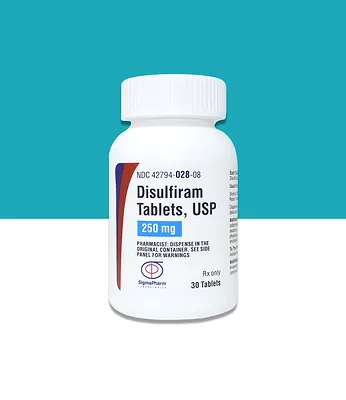
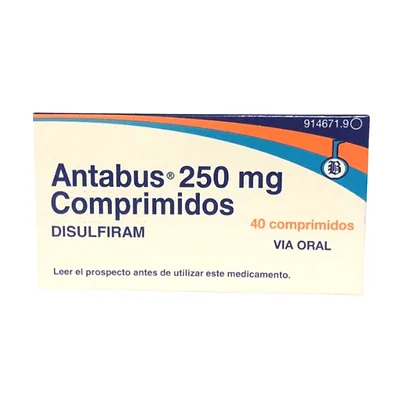
How the chemistry works is the easy part. Building a life around the tablet is where people actually need information.
This page covers the routine: when to take it, the hidden alcohol nobody warns you about, and what to do when things go wrong.
Without prescription, plain packaging.
Morning works best for most people, and the reason is psychological rather than pharmacological.
Take it when you wake, and the question of whether to drink that evening has already been answered. There is nothing to negotiate later, when you are tired and the argument would be harder.
Same time, every morning
Attached to something you already do — kettle on, teeth brushed
Visible, not hidden away in a drawer
Someone else present if that has been agreed
That last point is more effective than it sounds. Supervised dosing, where another person is there when the tablet is taken, improves outcomes considerably — not through distrust, but because it removes the daily opportunity to quietly skip it.
The audit nobody tells you to do
Before starting, go through the house. Alcohol appears in places that have nothing to do with drinking.
Bathroom: mouthwash, some toothpastes, aftershave, certain skin products
Medicine cupboard: cough syrups, herbal drops, tinctures
Kitchen: cooking wine, vanilla extract, some sauces and dressings
Freezer: desserts containing liqueur
Bag or car: hand sanitiser, used heavily
Fridge: low-alcohol beer, which is rarely genuinely alcohol-free
Replace rather than resolve to be careful. Alcohol-free mouthwash exists; so do cough preparations without it.
And eating out needs a question asked. Sauces and desserts made with wine or spirits do not always announce themselves on the menu.
Telling people, or not
A practical problem that gets no attention and causes real difficulty.
You do not owe anyone an explanation. But a flat refusal to drink invites questions, and inventing reasons every time is exhausting.
What people find works: a simple line that closes the subject. On medication, driving, not drinking at the moment. No detail, no debate.
Telling at least one person properly is worth it though, because they can help in the situations where it gets difficult.
If a reaction happens
Whether from a deliberate drink or something you did not know contained alcohol.
Symptoms begin within minutes: flushing, pounding heart, nausea and vomiting, severe headache, sweating, a drop in blood pressure.
Most reactions are intensely unpleasant and then pass. Lie down, stay still, sip water if you can keep it down.
Get emergency help for chest pain, severe breathlessness, fainting, confusion or an irregular heartbeat.
And the reaction remains possible for well over a week after your last tablet. Stopping the medicine does not immediately make alcohol safe.
If you slip
Worth thinking about in advance, because deciding in the moment goes badly.
A slip is not the end of the attempt. The most damaging thing is usually not the drink itself but the decision that follows — that the whole effort has failed, so there is no point continuing.
Tell someone. Work out what led to it. Restart, with the understanding that nearly everyone who stops drinking long term has had setbacks along the way.
Do not restart the tablet while there is alcohol in your system. That needs timing properly.
Monitoring while you are on it
Liver function needs checking periodically. Report yellowing of skin or eyes, dark urine, persistent nausea, or pain under the right ribs.
With longer use, numbness or tingling in the hands or feet should be mentioned rather than ignored.
Common everyday effects: a metallic or garlic taste, tiredness, headache, mild drowsiness. Most ease after the first weeks.
The things that do the real work
The tablet buys time and removes the nightly decision. What fills that time determines whether it lasts.
Counselling or therapy
A support group, in person or online
Changing the routines that led to drinking
Something to do in the hours that used to be drinking hours
Sleep, which is badly disrupted early on and improves
Dealing with underlying anxiety or depression, which is often part of it
That last one matters. A lot of drinking is self-treatment for something, and if that something is untreated the pressure does not go away.
Ordering without prescription: how it works
Daily dosing is the whole mechanism, so people generally keep well ahead of running out.
Pick the strength and the pack size, put in a delivery address, confirm. Couple of minutes, any time of day, no queue and no conversation accross a counter.
It goes out in plain packaging. No pharmacy name on the outside, nothing that hints at what is inside. How long delivery takes depends on where the parcel is headed.
On price it comes down to strength and pack size. Larger packs generally work out better per unit.
A parcel locker or a work address works as well as home for UK delivery, provided the details are complete and the name is on the door. The plain packaging is unchanged either way.