Targeted relief from stomach acid and burning discomfort
Stomach acid can turn an ordinary evening meal into hours of persistent chest burning. Pepcid tablets target that irritation directly by curbing gastric secretion right at parietal cell receptors. The relief holds steady whether you face acute flare-ups after heavy dinners or require ongoing therapy for peptic ulcers.
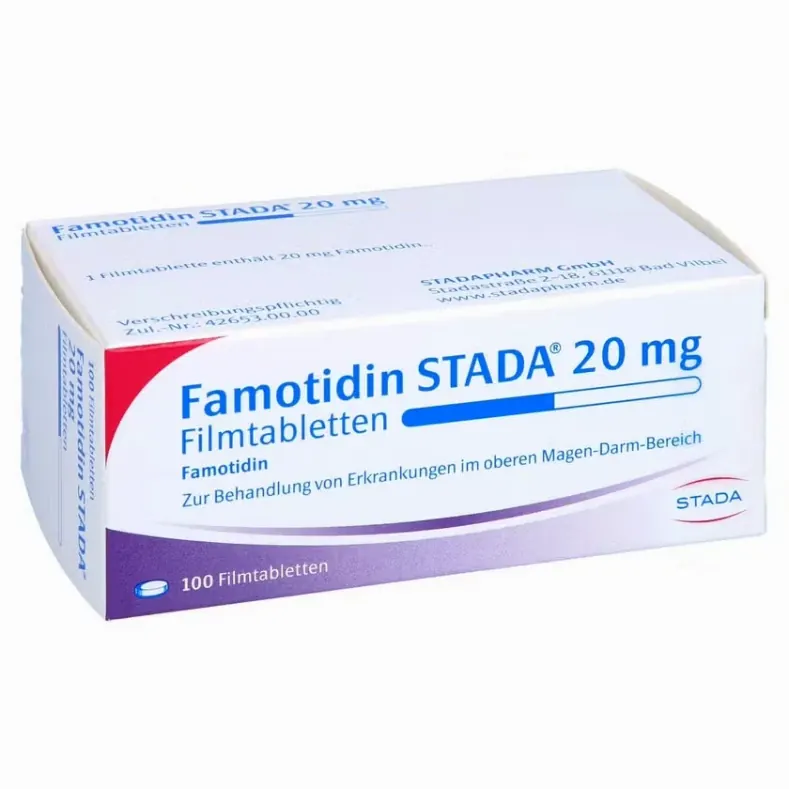
PharmaAccess supplies verified famotidine in two standard strengths. Pick the quantity matched to your care routine and keep troublesome reflux under control.
Famotidine active ingredient in 20 mg and 40 mg strengths
Heartburn ruins sleep fast. Anyone who has felt harsh acid rise into their esophagus at two in the morning knows the misery. Pepcid is the clinical brand formulation of famotidine, a compound synthesized to shut down excess gastric secretions. Chemically, it is a pale crystalline powder with a molecular weight of 337.43. What matters in practical terms is its targeted affinity for gastric cells.
Patients usually choose between Pepcid 20 mg and Pepcid 40 mg formulations. The lighter strength handles intermittent mealtime irritation, whereas larger quantities treat duodenal lesions, gastric ulceration, and erosive esophagitis. It also controls extreme hypersecretory states like Zollinger-Ellison syndrome, where unmanaged acid quickly erodes intestinal tissue.
Acid suppression starting within 60 minutes after dosing
The biochemical mechanism is direct. Parietal cells in the stomach mucosa push out hydrochloric acid whenever local histamine binds to their H2 receptors. Famotidine functions by competitive antagonism. It settles into those specific receptors, blocking histamine from triggering the release signal. Overall volume drops, and digestive pepsin output falls alongside it.
So, how fast does Pepcid work? Most patients report clear releif within sixty minutes of ingestion. Blood plasma concentrations reach their highest point between one and three hours post-dose. Better yet, that single tablet controls stomach acid for 10 to 12 hours. It gives irritated esophageal tissue genuine time to recover during the workday.
Standard 20 mg to 80 mg daily schedules for ulcer recovery
Establishing the correct Pepcid dosage requires matching the milligram strength to mucosal damage. You can swallow tablets with water before eating or on an empty stomach, because food intake does not alter systemic absorption in a measurable way. When dinner triggers symptoms, take one tablet roughly thirty minutes beforehand.
Duodenal ulcers: take 40 mg once nightly at bedtime, or 20 mg twice daily across 4 to 8 weeks.
Maintenance therapy: 20 mg once at bedtime prevents recurrent ulceration.
Active benign gastric ulcers: 40 mg once daily at night for a 6 to 8 week course.
Gastroesophageal reflux (GERD): 20 mg to 40 mg twice daily, kept up for 6 to 12 weeks.
Pathological hypersecretion: initial therapy starts at 20 mg every six hours, with titration upward if laboratory markers demand it.
Do not take extra pills to compensate for a skipped schedule. Take the missed dose immediately, unless your next scheduled administration falls within a couple hours.
Mild effects like headache and dizziness within early weeks
Most individuals tolerate this medication without significant discomfort. Mild Pepcid side effects are usually transient, fading as hepatic clearance settles into a rhythm. Frontal headache is the most frequent symptom noted in patient files, followed by lightheadedness, altered bowel habits, mild nausea, and general fatigue. These complaints rarely require stopping the regimen.
Serious adverse outcomes remain exceptional, but they require swift clinical evaluation. Anaphylactoid signs like facial angioedema, urticaria, or laboured breathing demand emergency intervention. Very rarely, blood dyscrasias, cardiac arrhythmias, or elevated transaminases occur. Confusion and agitation occasionally appear in elderly patients with altered metabolic capacity.
Interactions with antifungal capsules and kidney clearance below 50 mL/min
Renal elimination accounts for 65 to 70 percent of circulating famotidine excretion. For that reason, patients with compromised filtration rates need adjusted dosing schedules. When creatinine clearance falls below 50 mL/min, clinicians cut the standard intake by half or space doses out to 36 or 48 hours. This prevents accumulation in plasma, which otherwise increases central nervous system vulnerability.
Interactions are far fewer here than with first-generation H2 blockers like cimetidine, since famotidine bypasses major cytochrome P450 pathways. The main issue stems from reduced intragastric acidity itself. Antifungals such as ketoconazole and itraconazole depend on acidic pH to dissolve properly, meaning Pepcid reduces their bioavailability. Antacid liquids also impair famotidine absorption, so space them out by at least two hours.
How patients buy Pepcid 20 mg for 12-hour reflux control
When you decide to buy Pepcid 20 mg, sourcing is generally simple, though patients often wonder, is Pepcid sold without prescription? Lower strengths for simple indigestion allow you to buy Pepcid without prescription, while those needing to buy Pepcid 40 mg or larger packs for long-term mucosal healing often involve clinical guidance or formal prescription protocols.
Many people managing chronic reflux turn to a licensed Pepcid online pharmacy. Ordering through PharmaAccess lets you obtain quality tablets directly from your home, avoiding retail delays. Parcels ship in discreet protective packaging, and tracked Pepcid fast delivery ensures you monitor transit right to your front door.
Choosing the right pack at a Pepcid low price for 60 days
Managing prolonged acid excess across several months becomes costly when purchasing small blister cards. Patients looking for a Pepcid low price frequently opt for generic famotidine in bulk quantities. The generic tablet provides the exact chemical profile and therapeutic potency of branded boxes, minus marketing premiums.
Selecting 60-day or 90-day supplies reduces the unit expense per tablet compared to picking up weekly packs at local stores. Digital fulfillment streamlines overhead costs, and that pricing difference shows directly on your checkout invoice.
Frequently asked questions about 20 mg and 40 mg tablets
Can you drink alcohol with Pepcid?
Ethanol does not cause a direct toxic chemical reaction with famotidine molecules. However, beer, wine, and spirits irritate the mucosal lining directly. Alcohol triggers secondary gastric acid surges, undermining the protection Pepcid tablets provide.
How long does Pepcid last in the body?
Acid suppression holds steady for 10 to 12 hours after a single oral dose. The elimination half-life runs between 2.5 and 3.5 hours, with intact kidneys clearing most active metabolites within 24 hours.
Does famotidine cause weight gain?
No pharmacologic data connects famotidine therapy to changes in adipose tissue or body weight. If you experience unintentional weight loss alongside difficulty swallowing, consult a gastroenterologist promptly to evaluate underlying pathology.
Can I take famotidine alongside common pain relievers?
Yes. Physicians frequently co-prescribe famotidine to protect gastric mucosa against ulceration caused by nonsteroidal anti-inflammatory agents like naproxen or ibuprofen. Check with a pharmacist to verify that all current prescriptions remain compatible.