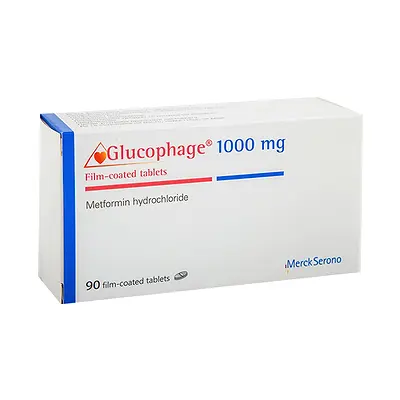
Metformin hydrochloride is the standard baseline therapy for adults diagnosed with type 2 diabetes or related metabolic problems. It works directly with your body by curbing liver glucose release and helping muscle tissues absorb sugar out of the bloodstream without driving up your body weight.
Through PharmaAccess, you can easily source quality generic Metformin tablets in both immediate-release and extended-release profiles. Browse common strengths like Metformin 500 mg and 850 mg to match your routine.
Metformin hydrochloride is an oral biguanide medicine, prescribed primarily for managing type 2 diabetes. When diet upgrades and thirty-minute walks fail to bring fasting blood glucose into a safe bracket, this medication fills the gap. Prescribers favor it because it treats high glucose without causing weight gain, which is a frequent headache with older sulfonylureas.
It also gets prescribed beyond conventional type 2 diabetes. Clinicians often hand it to patients with prediabetes to halt disease progression early. Women living with polycystic ovary syndrome (PCOS) rely on it, too. In PCOS, erratic insulin spikes impair normal ovulation and throw reproductive hormones out of balance. Lowering circulating insulin with this drug restores regular menstrual periods and helps ovulation. Some clinicians also recommend it for gestational diabetes or to check weight gain brought on by specific antipsychotics.
How Metformin manages your glucose levels
How does the drug behave once swallowed? It avoids pushing your pancreatic beta cells to produce excess insulin, so blood sugar crashes remain uncommon when taken alone. The main target is the liver. Left unchecked, the liver churns out surplus glucose through gluconeogenesis. Metformin activates an enzyme called AMPK, which prompts hepatic tissue to dial down that glucose release.
Muscles also benefit. It increases insulin sensitivity in peripheral tissues, which lets circulating glucose slip into muscle cells for energy rather than idling in the bloodstream. Sugar uptake through the gut wall slows down slightly as well. By working through these distinct mechanisms, the tablet steadies glucose levels without draining your pancreas.
How fast does Metformin work and how long does it last?
Do not expect glucose numbers to drop twenty minutes after swallowing your first tablet. That is simply not how biguanides operate. The active drug reaches steady plasma concentrations within 24 to 48 hours, but measurable drops in HbA1c take three or four weeks of unbroken daily dosing. Consistency matters more than immediate speed.
When considering how long does Metformin last, the elimination half-life is approximately 6.2 hours, with your kidneys clearing almost all of the parent compound unchanged in urine within twenty-four hours. Because immediate-release Metformin tablets clear swiftly, patients typically split their dose across two or three daily meals. If you choose extended-release pills, the active drug leaches into the digestive tract slowly, giving you an even 24-hour effect from one evening dose.
Standard Metformin dosage and daily habits
A cautious ramp-up schedule is the golden rule here. Escalating too fast often results in an upset stomach. Most people start immediate-release tablets at 500 mg once or twice daily, or 850 mg once every morning. Prescribers generally raise the dose by 500 mg every two weeks based on glucose logs. The daily cap for immediate-release formulations is 2550 mg, split across meals.
Extended-release tablets follow a separate protocol:
The starting dose sits at 500 mg or 1000 mg once daily, taken with dinner.
Doctors can step up the daily dose by 500 mg weekly up to a maximum limit of 2000 mg.
Swallow extended-release tablets whole with water, without biting, splitting, or crushing them, so the diffusion membrane remains intact.
Always take Metformin with food. Taking a tablet on an empty stomach is an invitation for nausea, gut cramps, and loose stools. When you miss a dose, take it with a snack as soon as you recall, unless your next scheduled dose is right around the corner. If it is, skip the forgotten pill and resume your routine. Do not double up pills.
Side effects and safety warnings you should watch for
Most adverse reactions involve the digestive tract and appear during the opening weeks of therapy. Between 20 and 30 percent of new patients experience loose stools, nausea, abdominal cramps, or a blunt appetite. A mild metallic taste is also common. These gastrointestinal complaints usually subside once your gut flora adapts, especially when you take each tablet alongside substantial meals.
Severe complications are infrequent, but one dangerous condition requires vigilance:
Lactic acidosis is an uncommon, life-threatening metabolic complication caused by excess lactate accumulation in blood tissue. Early danger signs include persistent muscle aches, severe fatigue, laboured breathing, hypothermia, and intense stomach discomfort requiring prompt emergency care.
Patients with severe renal impairment, meaning an eGFR below 30 mL/min, should not use this medication. Because the kidneys filter the compound out of circulation, weak renal filtration lets the drug accumulate, raising acidosis risks. Acute heart failure, hepatic impairment, and severe dehydration are similar contraindications. Furthermore, prolonged use over multiple years can lower your vitamin B12 absorption, making annual serum B12 blood panels a sensible routine.
Can you drink alcohol with Metformin and avoid drug conflicts?
Drinking heavy amounts of alcohol while taking biguanides poses real risks. Ethanol interferes with liver lactate clearance, raising your odds of developing lactic acidosis. An occasional single drink alongside dinner is generally tolerated, but binge drinking or chronic intake must be avoided. Alcohol also disrupts normal counter-regulatory glucose pathways, raising unexpected hypoglycemia risks.
Be watchful with other drug combinations:
Kidney-cleared drugs: Agents such as cimetidine, ranolazine, and certain diuretics compete for organic cation transport in renal tubules, boosting plasma Metformin levels.
Hyperglycemic agents: Systemic corticosteroids like prednisone, oral contraceptives, and thiazides push blood sugar upward, blunting the medicine's impact.
Insulin and sulfonylureas: Pairing Metformin with insulin secretagogues sharpens hypoglycemia risk, so blood sugar tracking demands closer oversight.
Iodinated contrast media: Anyone scheduled for radiologic imaging using intravascular iodinated contrast must pause treatment before the scan and wait 48 hours until kidney lab tests verify baseline renal function.
How to buy Metformin 500 mg tablets and compare prices
Finding a trusted source to buy Metformin online does not need to be stressful or budget-draining. Because qualified generic manufacturers deliver equivalent bioavailable formulations without brand-name marketing expenses, securing a Metformin best price remains straightforward. Ordering larger multi-month supplies typically reduces the unit cost per pill, letting you maintain your regimen without interruptions.
PharmaAccess keeps it clear and direct when you order Metformin online. Pick your prescribed dose, select your preferred supply size, and proceed through our protected payment checkout. Every parcel is dispatched in discrete, unbranded packaging to safeguard your personal health privacy, supported by reliable tracking updates right up to delivery.
Frequently Asked Questions
How should I store my tablets at home?
Keep your blister sheets or containers at controlled room temperature, around 20°C to 25°C. Avoid damp rooms like bathrooms or spaces right above sinks, and keep all pill containers out of children's reach.
Can Metformin help me lose weight?
The drug is not approved as a primary weight-loss treatment, though many patients shed modest pounds while on it. Because it curbs liver sugar spikes and dampens appetite swings, it avoids the weight increases common to insulin therapy.
What should I do if my stomach stays upset after several weeks?
If nausea, cramping, or loose stools linger past the initial month, consult your prescribing physician about extended-release tablets. Many patients who experience gastrointestinal trouble on prompt-release pills tolerate extended-release tablets with minimal discomfort.