
Mental Health Medication Without Prescription
Depression is not a bad week and it is not a character flaw. It is a state in which the capacity to feel anything — including hope that it will improve — shuts down.
These medicines work gradually and need patience. Without prescription, in plain packaging.
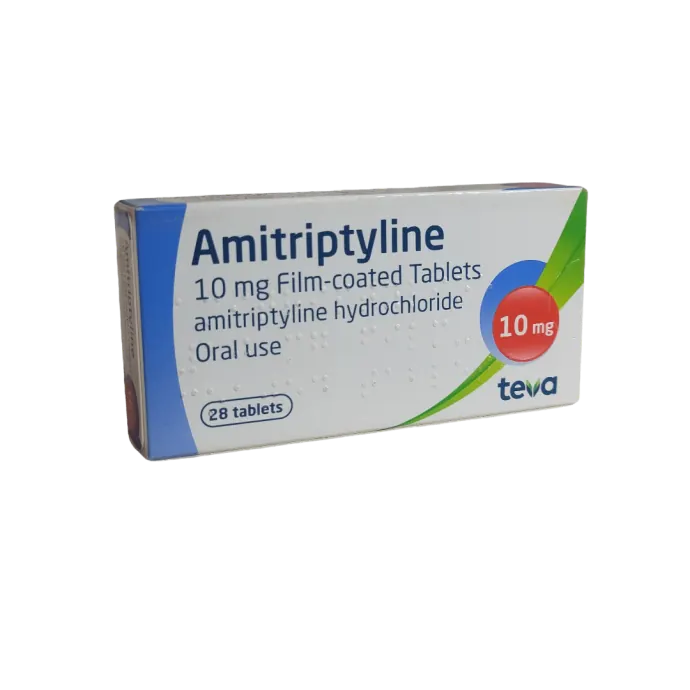
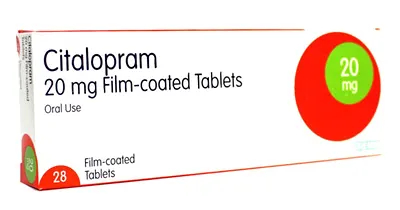
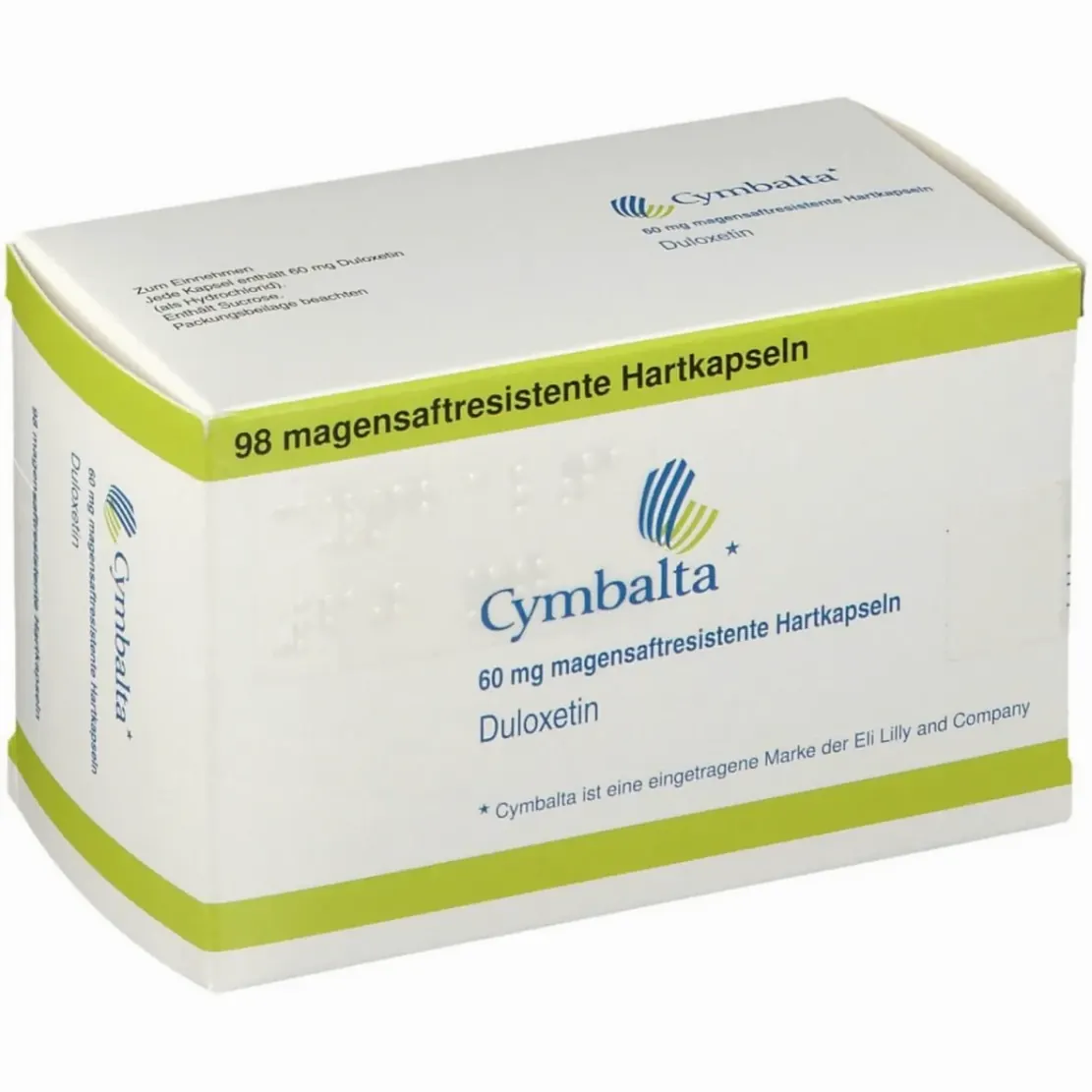
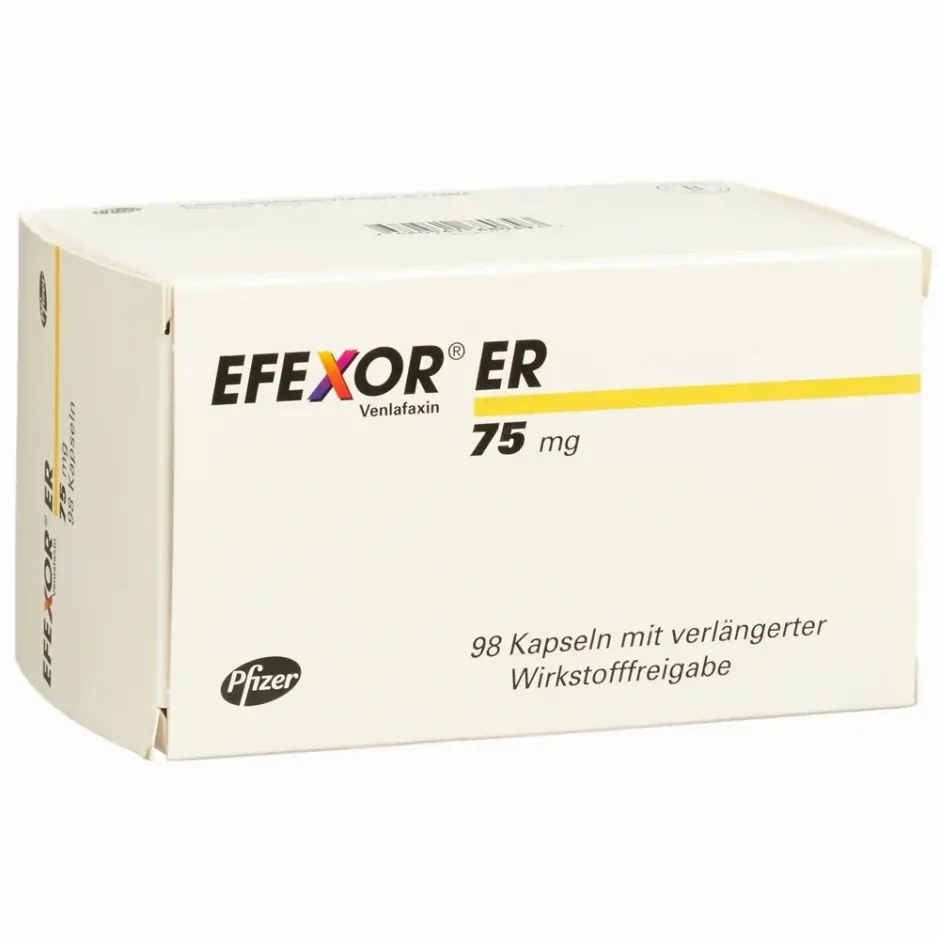
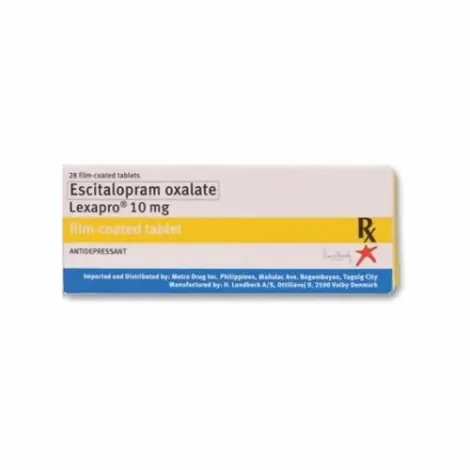
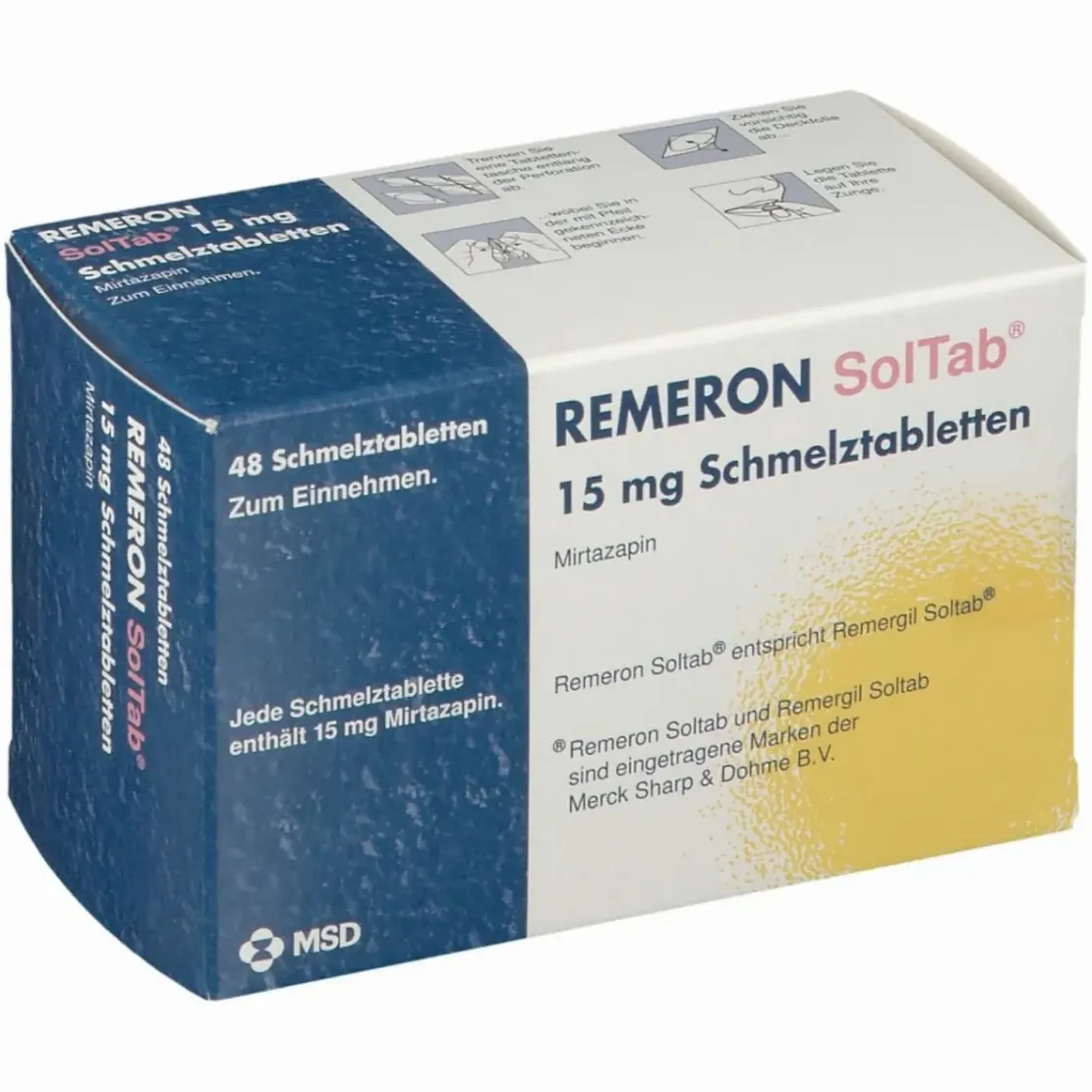
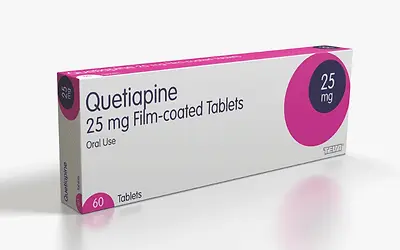
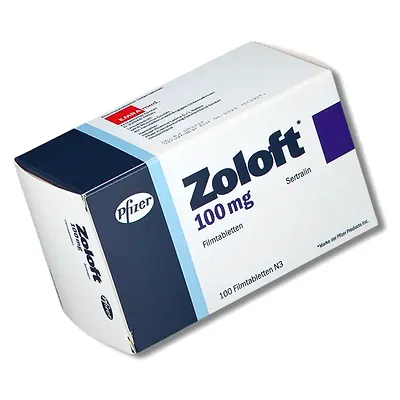
What is going on in the brain?
Nerve cells communicate using chemical messengers. Serotonin, noradrenaline and dopamine all influence mood, drive, sleep and the capacity to experience pleasure.
In depression that communication is disturbed. The picture is more complicated than "not enough serotonin" — receptor sensitivity, inflammation and the brain's capacity to form new connections all play a part.
Most of these medicines increase the availability of messengers in the gap between cells. That concentration changes within hours. The effect takes weeks.
That gap between immediate chemistry and delayed benefit explains almost everything important about this treatment: what actually helps is a slow rebalancing of the networks involved.
Several weeks of patience
The main reason people stop too early.
The first days often bring only side effects — nausea, restlessness, worse sleep — and no benefit whatsoever. A bad trade on day three and a reasonable one by week six.
Drive usually returns before mood does. That is a period needing particular attention, because the capacity to act arrives while the thinking is still dark.
Judge it after several weeks, not several days. And when it works, treatment continues well past the point symptoms lift — stopping as soon as you feel better is the commonest cause of relapse.
Never stop abruptly
These medicines are not addictive in the ordinary sense. But the body adapts to them, and stopping suddenly produces discontinuation symptoms.
Dizziness, a sensation like electrical pulses, nausea, irritability, disturbed sleep, flu-like aching, vivid dreams.
It gets mistaken for the illness returning. It is a different thing, and it generally settles within a few weeks.
So it comes down gradually, over weeks or months — and never over a weekend or on your own initiative.
Anxiety is not just depression with nerves
They overlap and often travel together, but they are not the same.
In an anxiety disorder the body's threat-detection system fires without a corresponding threat. Racing heart, tight chest, breathlessness, sweating, a conviction something terrible is imminent.
With panic attacks a second layer forms: fear of the next attack. That fear shapes behaviour, and avoidance spreads untill it governs ordinary life.
One practical point: anxiety can get worse for the first week or two of treatment. Which is why the starting dose is usually lower for anxiety than for depression, and increased slowly. Knowing that in advance is the difference between pushing through and concluding the medicine is making you ill.
Interactions to check
- Several serotonin-acting medicines together, which risks a dangerous excess
- Tramadol and certain other painkillers
- Triptans for migraine
- St John's wort, including as a supplement
- Anti-inflammatory painkillers and blood thinners — bleeding risk rises
- Alcohol
Signs of serotonin excess: agitation, confusion, muscle twitching, fever, racing heart, diarrhoea. That is urgent.
St John's wort is missed constantly because it is sold as a supplement. It interacts seriously, including with contraception.
The tablet is not the whole treatment
- Therapy — in combination it outperforms either alone
- A consistent routine, sleep timing especially
- Movement, in whatever amount is achievable
- Daylight in the morning
- Contact with people, however minimal
- Less alcohol, which makes everything worse and disrupts sleep badly
In a severe episode that list reads like mockery, because there is no capacity for any of it. Then you start with the smallest possible thing rather than with a plan.
When to get help immediately
Thoughts of ending your life are an emergency. Not a sign of weakness, and not something to sit with alone.
Contact someone who can help without delay — a crisis line, an emergency service, someone you trust. That applies especially in the early weeks of treatment or after a dose change.
Ordering without prescription: how it works
Continuity matters more here than with most medicines, since an interruption costs weeks of progress.
Pick the product, the strength and the pack size, enter a delivery address and confirm. A couple of minutes, any time of day, no queue and no conversation across a counter.
Everything goes out in plain packaging. No pharmacy name on the outside, nothing indicating what is inside. How long delivery takes depends on where the parcel is going.
On price, the factors are strength and pack size. Larger packs generally work out better per unit.
What you pay follows pack size and strength, shown in pounds next to the quantity options. Bigger packs come out lower per unit. A generic stays below the branded version with the same ingredient inside.