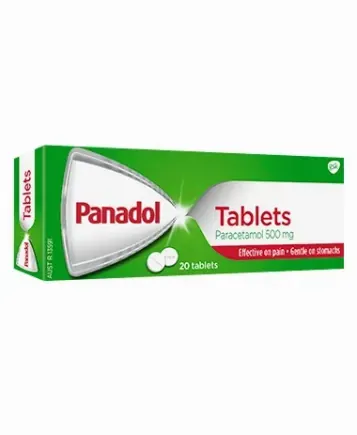
Nerve pain does not behave like ordinary pain and it does not respond to ordinary painkillers. People often arrive having tried everything.
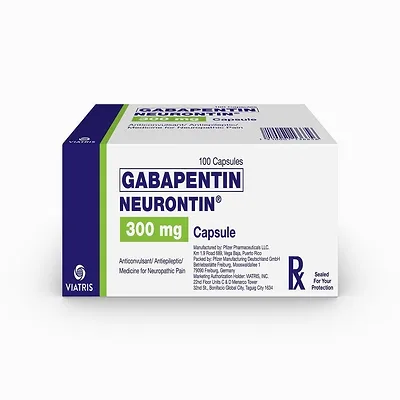
Gabapentin calms overexcitable nerves rather than reducing inflammation, because with nerve pain there is no inflammation to reduce.
Without prescription, plain packaging. The dose is built up slowly.
This is the first thing worth understanding, and it explains a lot of frustration.
Normal pain is tissue damage sending an accurate signal. An anti-inflammatory painkiller reduces the inflammation generating that signal, and the pain falls.
Nerve pain is different. The nerve itself is damaged or malfunctioning and generating signals without any corresponding injury. Burning, shooting, electric, sometimes with numbness in the same area, often worse at night.
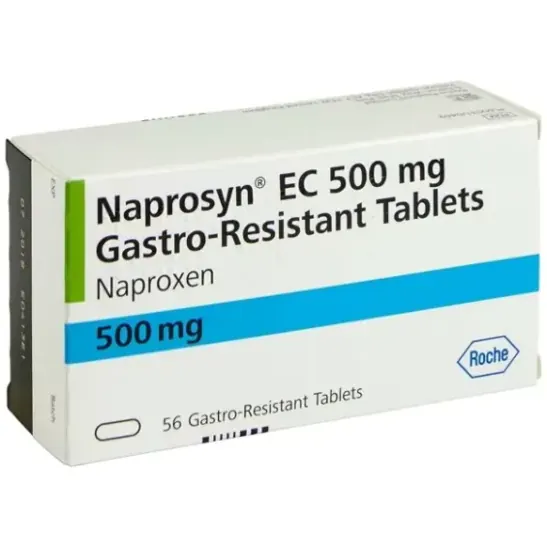
There is no inflammation to reduce. So anti-inflammatories genuinely do nothing, which is not a failure of the drug — it is the wrong tool.
What is needed is something that calms the excessive signalling.
What gabapentin does
Despite the name, it does not act on GABA receptors.
It binds to a specific subunit of calcium channels on nerve cells. Those channels control how much neurotransmitter gets released when a nerve fires.
Binding there reduces the release of excitatory messengers in overactive pain pathways. The nerve becomes less able to fire excessively.
Which calms the inappropriate signalling without blocking normal sensation.
Used for
Diabetic nerve pain
Pain after shingles
Sciatica and nerve root pain
Nerve pain after injury or surgery
Epilepsy, as an add-on treatment
Restless legs
Why does the dose build up over weeks?
This is where people go wrong, and it costs them the benefit.
The starting dose is usualy far below what will eventually be effective. It is increased in steps over days and weeks.
Which means two things. The first dose will probably not help, and that is expected. And the main side effects — drowsiness, dizziness, unsteadiness — are worst during the increases and then settle.
People try the starting dose, feel sleepy and get no pain relief, and conclude it does not work. They stopped before reaching the dose that would have.
Divided across the day, usually three times.
Spaced evenly.
With or without food.
Increase gradually as directed.
Several weeks before judging the full effect.
Do not stop abruptly
Stopping suddenly can cause anxiety, insomnia, nausea, sweating, pain rebound — and in anyone taking it for epilepsy, a risk of seizures.
It comes down gradually over at least a week, usually longer.
Dependence: be honest about it
Gabapentin was long regarded as carrying no abuse potential. That view has changed.
Some people do develop dependence, and it is more likely at higher doses, with a history of substance misuse, and particulary when combined with opioids.
That combination deserves emphasis: gabapentin together with opioids significantly increases the risk of serious breathing depression. Both are sedating, and the effect on respiration is more than additive.
If you take opioid painkillers, that combination needs to be deliberate and supervised rather than assembled by accident.
Possible side effects
Drowsiness
Dizziness and unsteadiness
Swollen ankles
Weight gain
Blurred vision
Dry mouth
Difficulty concentrating, sometimes described as mental fog
Mood changes
It is cleared by the kidneys, so reduced kidney function means a substantially lower dose. Older people are more prone to unsteadiness and falls, which matters.
Antacids reduce absorption
A practical detail easily missed: antacids containing aluminium or magnesium reduce how much gabapentin is absorbed.
Leave a couple of hours between them.
What else helps with nerve pain
Treating the underlying cause where possible — blood sugar control in diabetes above all
Physiotherapy and graded activity
Sleep, since nerve pain and poor sleep feed each other
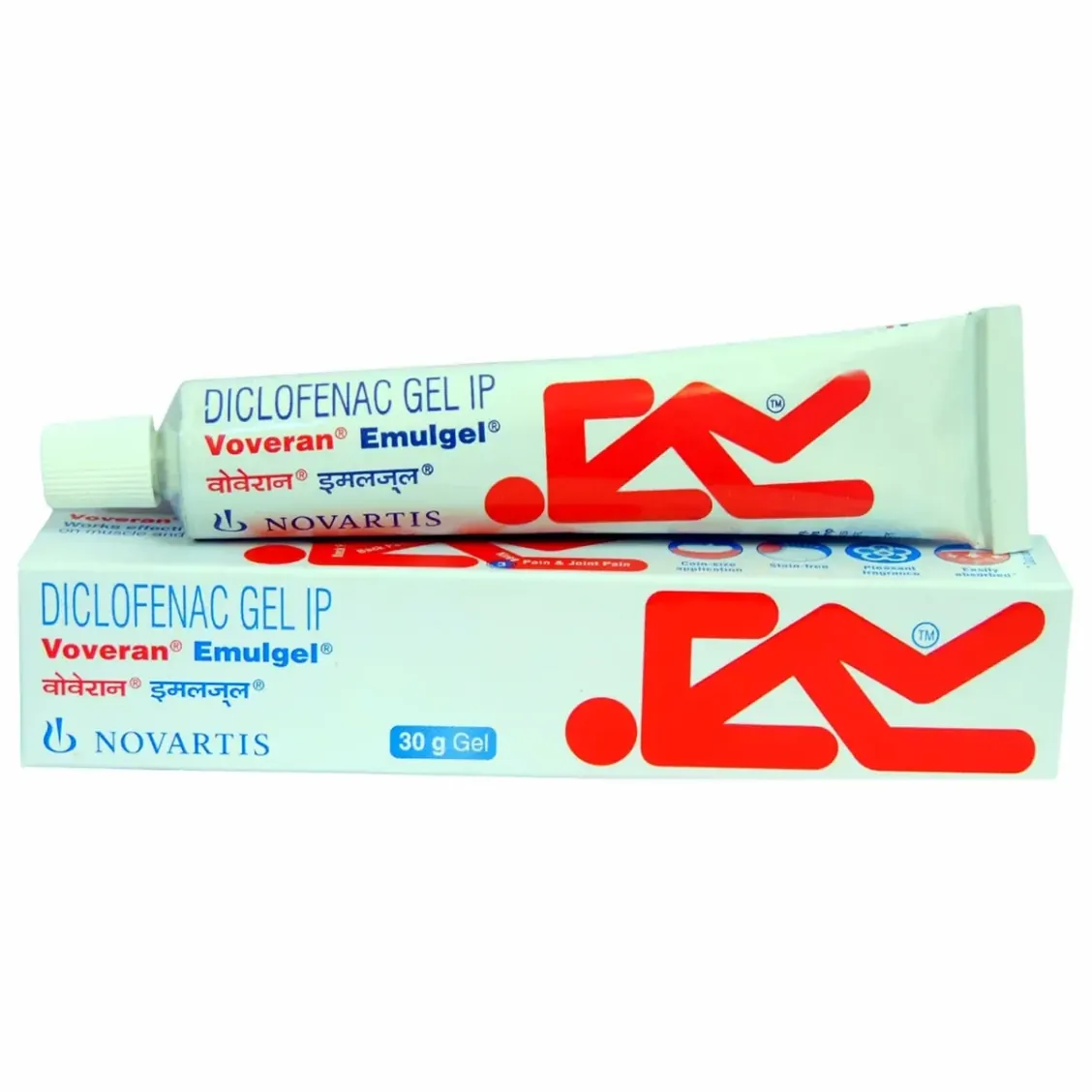
Topical treatments for localised areas
Psychological approaches, which have real evidence in chronic pain
Blood sugar control is the big one in diabetic neuropathy. It will not reverse existing damage, but it slows further progression.
Ordering without prescription: how it works
Dose titration over weeks means the amount needed changes, so most people order enough to cover the build-up.
Pick the strength and the pack size, put in a delivery address, confirm. Couple of minutes, any time of day, no queue and no conversation across a counter.
It goes out in plain packaging. No pharmacy name on the outside, nothing that hints at what is inside. How long delivery takes depends on where the parcel is headed.
On price it comes down to strength and pack size. Larger packs generally work out better per unit.
The outside of the parcel gives nothing away, wherever in the UK it is going. No pharmacy branding, no product name, nothing that suggests medication. For most customers that is the whole reason for ordering online.