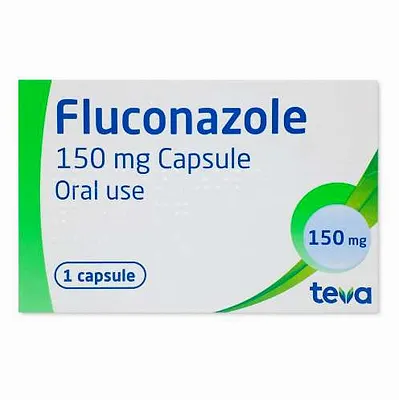
Clear yeast infections with dependable oral therapy
Fungal flare-ups like acute thrush or systemic candida disrupt daily routines fast. Fluconazole tablets work internally to halt fungal cell expansion, bringing quick relief often after just one capsule. You can buy Fluconazole online with total privacy and dependable home dispatch through PharmaAccess.
Recognise when your body needs Fluconazole tablets
Yeasts reside on human skin and mucous membranes continuously without causing any trouble. Problems start when an overgrowth occurs. Suddenly you face burning sensations, sharp soreness, and persistent discharge. Anyone who has dealt with vaginal thrush knows the frustration firsthand. That discomfort is usually why patients seek to buy Fluconazole without prescription to clear the underlying problem.
Medical guidelines outline clear reasons for what is Fluconazole used for in clinical practice:
Vaginal candidiasis (both isolated thrush episodes and recurring infections) and candida balanitis in men.
Mucosal fungal issues, notably oral thrush affecting the mouth, palate, or esophagus.
Cutaneous fungal outbreaks like tinea pedis, ringworm, and tinea cruris.
Systemic candida infections, invasive fungal disease, and cryptococcal meningitis.
Prophylaxis for immunocompromised individuals receiving cytotoxic chemotherapy.
Whether dealing with stubborn nail fungus or acute genital irritation, this oral triazole tackles yeast at the root. It targets the infection directly rather than simply masking surface symptoms.
Understand how this triazole stops fungal growth
When considering how to take Fluconazole, the mechanism centers on cellular structural integrity. Fungi depend on robust outer cell membranes to survive and divide inside host tissues. Fluconazole inhibits the fungal cytochrome P450 enzyme 14-alpha-demethylase. Blocking this pathway halts the conversion of lanosterol into ergosterol, which is the vital building block of fungal membranes.
Depleted ergosterol leaves the fungal cell wall brittle and porous. Toxic methylated sterol intermediates pool inside the yeast, causing structural rupture and death. Fluconazole shows a far higher affinity for fungal cytochrome systems than for human enzymes. Your normal mammalian steroid synthesis remains undisturbed during therapy.
In understanding how long does Fluconazole last, the active compound carries an elimination half-life of roughly 30 hours, reaching steady blood concentrations rapidly and maintaining therapeutic tissue pressure for several days.
Check your Fluconazole dosage before taking a dose
Prescription strengths depend entirely on the fungal strain and infection severity. Selecting the right Fluconazole dosage prevents lingering yeast from developing antifungal resistance over time.
Vaginal thrush: A single dose of Fluconazole 150 mg tablet clears most uncomplicated episodes. For recurrent bouts, physicians frequently prescribe one dose on days 1, 4, and 7, before transitioning to a weekly maintenance tablet.
Oral candidiasis: A 200 mg initial loading dose followed by 100 mg daily for 7 to 14 days is typical. Some clinicians prefer patients to buy Fluconazole 100 mg packs for this schedule.
Dermatomycosis: Either 50 mg daily or 150 mg once weekly over two to four weeks. Stubborn tinea pedis might demand continuous treatment for up to six weeks.
Deep systemic infections: Doses climb to 400 mg or even 800 mg on day one, followed by daily doses of 200 mg to 400 mg under close hospital surveillance.
Paediatric dosing relies strictly on body weight per kilogram, and oral liquids are typically used. Adults with renal impairment need adjusted maintenance amounts based on creatinine clearance rates.
Take your medication properly for best results
Swallow the tablet whole alongside a full glass of water. Never chew or crush the tablet, as breaking the core changes gastric release dynamics. Food intake does not diminish oral absorption, so you can take your dose before, during, or after meals without worries.
Timing matters if you take daily tablets. Take each dose at roughly the same hour every day. If an intake is missed, swallow it as soon as you notice, unless the next scheduled pill is almost due. Doubling up to compensate for an omitted tablet is unsafe and must be avoided.
Symptoms often ease within two days, but stopping your course early carries real danger. Unfinished courses allow partially suppressed yeast to regain ground, producing stubborn strains that resist future treatments.
Watch out for side effects and medication interactions
Most patients tolerate oral triazoles without trouble. Unwanted Fluconazole side effects remain mostly mild, appearing in fewer than 10% of users and resolving spontaneously once therapy stops.
Mild tension headaches or light dizziness.
Transient stomach cramps, nausea, and occasional loose stools.
Bloating, dyspepsia, or a strange metallic taste.
Superficial skin flushing or brief pruritus.
Severe complications occur rarely. Seek prompt emergency care if you develop signs of hepatic injury: persistent nausea, unusual exhaustion, dark urine, or jaundice affecting the eyes and skin. Severe cutaneous eruptions like DRESS syndrome require immediate hospital intervention. Patients with preexisting cardiac conduction flaws should know high therapeutic concentrations carry a small risk of QT interval prolongation.
Fluconazole inhibits CYP2C9 and CYP3A4 hepatic clearance. This metabolic blockage triggers interactions with common pharmaceuticals:
Anticoagulants: Fluconazole potentiates warfarin, which raises clinical bleeding risks.
Antiarrhythmics: Concomitant use with quinidine, amiodarone, or erythromycin is strictly contraindicated.
Oral hypoglycemics: Sulfonylurea metabolism drops, creating sudden risk of hypoglycemia.
HMG-CoA reductase inhibitors: Plasma levels of atorvastatin and simvastatin rise, elevating risks of myopathy.
Benzodiazepines: The sedative half-life of midazolam or triazolam increases substantially.
Know when to avoid taking this treatment
Do not use this medication if you have documented hypersensitivity to fluconazole or related azole derivatives. Concurrent use alongside terfenadine, astemizole, cisapride, or pimozide remains prohibited because dangerous ventricular arrhythmias may result.
Pregnant women must avoid systemic fluconazole during the first trimester unless an obstetrician confirms an immediate, severe clinical need. Studies associate higher first-trimester exposure with miscarriages and congenital skeletal changes. A single 150 mg tablet is generally accepted during breastfeeding, but repeated multi-day regimens are not recommended for nursing mothers. Anyone with pre-existing hepatic disease or electrolyte imbalances like hypokalemia should get medical clearance prior to treatment.
Order online for a Fluconazole low price and discreet shipping
Getting effective antifungal treatment should not force anyone into uncomfortable conversations at a neighborhood dispensary. Through an accredited Fluconazole online pharmacy model, PharmaAccess provides legitimate, batch-tested medicine without the usual retail markup. This setup helps patients find a Fluconazole low price while maintaining complete quality control.
Package volume dictates overall cost. Multi-tablet packs generally bring down the unit price compared to buying isolated single capsules during emergencies. Every order dispatched by PharmaAccess ships in sturdy, completely unbranded boxes with zero indicators of the medical contents. Reliable logistics and Fluconazole fast delivery bring the treatment directly to your private address without delay.
FAQ
How fast does Fluconazole work?
Most patients notice a clear reduction in burning, itching, and soreness within 24 to 48 hours following an initial dose. Complete clearing of tissue erythema and discharge typically requires three to seven days.
Can you drink alcohol with Fluconazole?
Alcohol does not chemically deactivate fluconazole inside your system. Heavy drinking stresses the liver and often amplifies headaches, nausea, and dizziness. Pausing alcohol intake until the medication clears your body is the sensible choice.
What is the difference between Diflucan and generic Fluconazole?
Both formulations carry the identical active molecule, bioequivalence parameters, and clinical indications. Diflucan is the original brand name developed by Pfizer, whereas generic fluconazole delivers the same efficacy at a lower Fluconazole price.
Can I drive after taking a tablet?
Normal driving is typically fine because fluconazole does not impair motor responses. If you experience dizziness or drowsiness after your dose, avoid driving or operating heavy tools until symptoms subside.