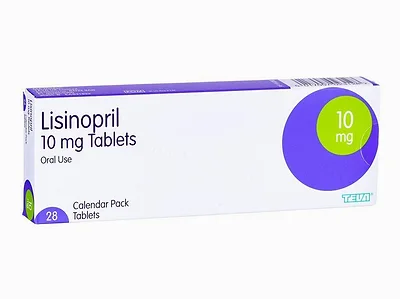
Elevated blood pressure strains arteries, making daily cardiovascular care an urgent priority for millions of patients. Lisinopril relaxes constricted arterial walls so the myocardium pumps blood without excessive resistance. At PharmaAccess, you can access reliable strengths of this proven generic, keeping continuous heart therapy convenient and private.
What Lisinopril treats and how it helps your heart
High blood pressure often arrives without symptoms. Patients routinely seek to order Lisinopril online because the molecule has decades of clinical trial data behind it, starting with early trials back in the late 1980s. Chemically, the tablet contains lisinopril dihydrate, an ACE inhibitor that interrupts systemic vascular constriction and eases cardiac workload directly.
So what is Lisinopril used for in routine clinical practice? Prescribers rely on it across three primary indications:
High blood pressure (hypertension): Prescribed as monotherapy or alongside thiazide diuretics for adults and pediatric patients aged six years and older.
Congestive heart failure: Functions as adjunctive care paired with loop diuretics or digoxin to decrease hospitalizations and relieve pulmonary congestion.
Post-myocardial infarction recovery: Administered within 24 hours of an acute heart attack, the drug supports left ventricular function and reduces overall mortality risks.
Clinicians also write prescriptions for renal protection in diabetic nephropathy. The drug reduces intraglomerular pressure, preventing microalbuminuria from progressing to advanced renal damage over subsequent years.
How Lisinopril works inside your blood vessels
Systemic circulation depends heavily on biochemical diameter controls. When your kidneys detect low perfusion, they trigger a enzymatic cascade that produces angiotensin II. This peptide binds vascular receptors, driving rapid vasoconstriction while prompting the adrenal cortex to release aldosterone. The resulting fluid retention drives up arterial pressure throughout the entire vascular tree.
Lisinopril halts this sequence. By inhibiting the angiotensin-converting enzyme, it stops the conversion of angiotensin I into active angiotensin II. Arteries expand. Resistance drops immediately, sparing the left ventricle from pushing against high pressure heads. Aldosterone levels fall alongside this, prompting your kidneys to excrete excess water and sodium while preserving serum potassium.
Standard Lisinopril dosage and taking your tablet
Finding the right Lisinopril dosage demands gradual titration. Prescribers typically monitor creatinine and potassium before moving patients up to higher daily strengths.
For hypertension: Adults commonly start on a 10 mg tablet once each morning. Doctors review blood pressure after two to four weeks, increasing doses toward 20 mg or 40 mg daily as required. The label cap sits at 80 mg daily.
For heart failure: Dosing starts low at 2.5 mg or 5 mg daily under close clinical observation. The dose doubles at intervals of roughly two weeks up to a target of 40 mg once daily, provided renal labs remain stable.
After a heart attack: The established regimen delivers 5 mg within 24 hours of symptom onset, followed by 5 mg at 24 hours, 10 mg at 48 hours, and 10 mg daily for six consecutive weeks.
Food does not impair bioavailability. Swallow your prescribed pill with a full glass of water at the exact same hour every morning to keep systemic levels steady. When an occasional dose is forgotten, take it immediately if remembered early in the day. But if the next scheduled dose is near, skip the forgotten pill entirely. Never double your dose, because doubling risks profound hypotension.
How fast Lisinopril works and how long effects last
How fast does Lisinopril work once taken? Measurable blood pressure reduction begins roughly one hour after oral ingestion. Hemodynamic impact peaks around six hours post-dose, corresponding with maximum serum drug concentrations that appear between six and eight hours in most pharmacokinetic profiles.
The drug provides reliable 24-hour coverage. Lisinopril binds tightly to circulating ACE and has an effective half-life of roughly 12 hours, with terminal elimination extending past 30 hours. Because hepatic metabolism is zero, the kidneys excrete the parent drug completely unchanged into urine.
Lisinopril side effects you ought to watch for
Adverse reactions are usually manageable, yet patients starting therapy must watch for specific physiological signs. During early weeks, transient effects can occur while systemic pressures normalize:
A persistent dry cough driven by bradykinin accumulation in respiratory tissue
Dizziness or orthostatic lightheadedness when rising abruptly from a chair
Occasional tension headaches and mild fatigue
Digestive upset or temporary diarrhea
The class-wide ACE inhibitor cough does not respond to standard antitussives. If the dry tickle disturbs your sleep continuously, contact your prescriber for an alternative rather than abruptly stopping therapy.
Certain rare presentations demand immediate emergency intervention. Swelling of the lips, tongue, glottis, or face signals angioedema and requires prompt emergency room evaluation. Patients should also seek prompt medical care if they experience profound muscular weakness from hyperkalemia, yellowing sclera, or a sharp drop in daily urine output.
Interactions and people who cannot take Lisinopril
Black-box safety warnings exclude pregnant patients entirely. Using ACE inhibitors during the second and third trimesters causes fetal hypotension, oligohydramnios, skeletal deformations, and potential neonatal death. Cease the medication immediately if pregnancy is confirmed.
Contraindications also cover individuals with prior history of angioedema related to ACE inhibitor therapy or concurrent use of aliskiren in diabetes. Co-administration with sacubitril requires an absolute 36-hour washout period before switching medicines to avoid catastrophic mucosal swelling.
Be aware of these drug interactions:
NSAIDs: Frequent use of naproxen or ibuprofen impairs renal prostaglandin synthesis, blunting antihypertensive efficacy and accelerating kidney stress.
Potassium supplements: Salt substitutes containing potassium chloride can spark fatal cardiac arrhythmias when combined with ACE inhibitors.
Diuretics: High doses of furosemide or hydrochlorothiazide combined with new ACE therapy can trigger rapid symptomatic hypotension.
Alcohol: Ethanol promotes systemic vasodilation, compounding dizziness and raising fall risks.
Lisinopril price factors and ordering through PharmaAccess
Long-term adherence depends on affordability. When evaluating how to secure a Lisinopril low price, selecting verified generic formulations provides identical active lisinopril dihydrate without branded commercial packaging costs, helping patients find a Lisinopril best price without compromising on molecular potency and bioequivalence standards that match the original reference listed drug identically.
Buying in volume directly lowers your refill costs. Patients who choose to buy Lisinopril 5 mg or buy Lisinopril 10 mg in a 90-day supply reduce the unit rate substantially over small monthly fills. Through PharmaAccess, patients manage long-term therapy efficiently, receiving authenticated medication shipped in secure parcels right to their doorsteps without retail dispensary lines.
Frequently asked Lisinopril questions
Can you drink alcohol with Lisinopril?
Limiting alcohol is strongly advised. Alcohol dilates peripheral blood vessels, and combining it with this medication can cause your blood pressure to fall too low, triggering dizziness, lightheadedness, or fainting episodes.
What is Lisinopril used for besides high blood pressure?
Physicians regularly prescribe it to treat chronic heart failure, reduce mortality after an acute heart attack, and delay kidney deterioration in hypertensive patients with type 2 diabetes.
How to take Lisinopril if you forget a daily dose?
Take the tablet as soon as you remember, unless your next scheduled administration is already approaching. Never double tablets together, as excessive dosage drops blood pressure precipitously.
How fast does Lisinopril work after swallowing it?
Systemic action starts within one hour, reaches peak efficacy near six hours, and sustains blood pressure control for a full 24-hour dosing interval.