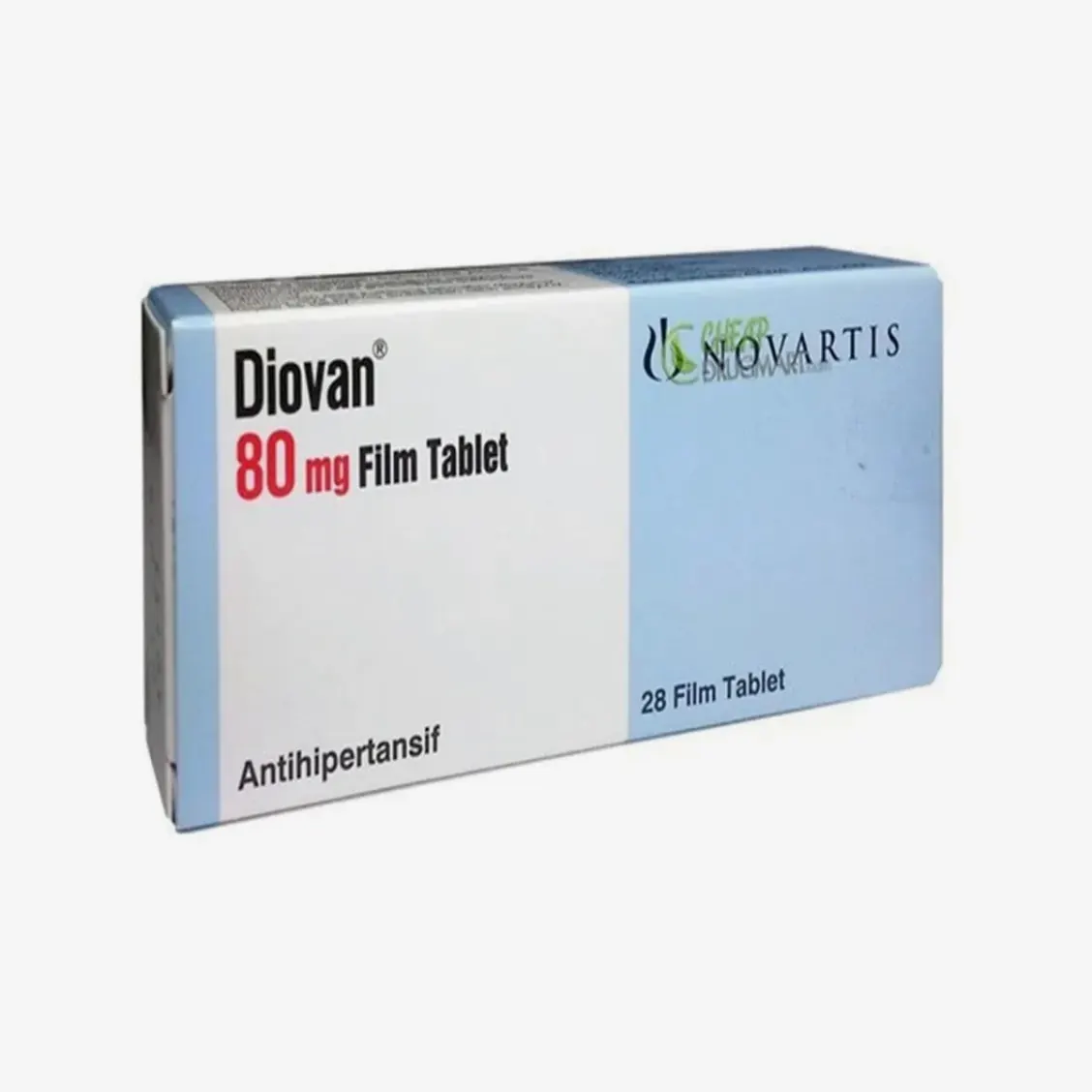
High blood pressure does not hurt. That is exactly what makes it dangerous — nothing prompts you to act while the damage accumulates.
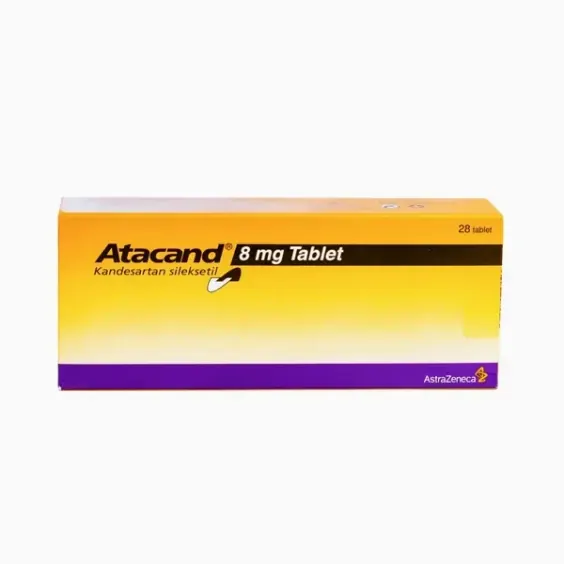
Candesartan blocks the receptor that a vessel-tightening hormone works through, and it does it without causing the dry cough.
Without prescription, plain packaging. Give it a few weeks before judging.
Your body has a loop designed to defend blood pressure when it drops — useful if you are bleeding, unhelpful if it is switched on permanently.
The end product of that loop is a hormone called angiotensin II. It does several things at once: it clamps down blood vessels, it tells the kidneys to hold on to salt and water, and it drives thickening of the heart muscle over time.
In sustained high blood pressure that system is running too hot.
Blocking the receiver, not the production line
This is where sartans differ from ACE inhibitors, and the difference is practical.
An ACE inhibitor stops the hormone being made. Candesartan lets it be made but blocks the receptor it acts on.
The vessels relax, the kidneys stop hoarding salt and water, and the strain on the heart falls.
Candesartan binds that receptor tightly and lets go slowly, which is why one tablet covers the full day.
Why is there no cough?
The dry, tickling cough that ACE inhibitors cause in a fair number of people comes from a side effect of blocking that enzyme: a substance called bradykinin builds up in the airway lining.
Sartans do not block that enzyme. Bradykinin levels stay normal. No cough.
If you had to abandon an ACE inhibitor because of a cough that would not stop, this is the usual alternative — same benefit, without that particular problem.
What it is used for
High blood pressure
Heart failure, where it reduces strain on a struggling heart
Protecting kidney function, particulary in diabetes
The kidney point matters. In diabetes the small vessels in the kidney come under pressure early, and this class slows that damage beyond what the blood pressure numbers alone would suggest.
Give it several weeks
The first dose does something. The full effect takes around four weeks to settle.
So judging it after a few days is pointless, and so is adjusting the dose on an early reading. Measure, wait, measure again.
One tablet daily, same time.
With or without food.
Keep taking it even when readings are good — the readings are good because of it.
Missed a dose: take it when you remember unless the next is close. Never double.
Measuring at home, properly
One reading in a clinic tells you very little, since plenty of people's pressure rises simply from being there.
Sit quietly for a few minutes first
Back supported, feet flat, legs uncrossed
Cuff level with your heart
Do not talk during the measurement
Same time of day, consistently
Write the numbers down
A week of home readings beats a single clinic measurement for working out whether treatment is doing its job.
Possible side effects
Dizziness, particularly when standing up
Headache
Tiredness early on
Raised potassium
Changes in kidney function
Dizziness on standing is most common in the first week or two. Stand up slowly and it usually passes.
Potassium is worth knowing about: this class raises it, so potassium supplements and salt substitutes containing potassium chloride both need care.
Rarely, swelling of the face, lips or tongue can occur. That needs urgent help.
What works alongside
Less salt — the effect surprises people
Regular aerobic exercise
Losing excess weight
Stopping smoking
Less alcohol
Decent sleep
These are not filler. For some people they reduce the number of tablets needed.
Not in pregnancy
Medicines acting on this hormone system can seriously harm a developing baby, particularly from the second trimester onward.
If you are pregnant, planning to be, or you find out you are while taking it — stop and get advice straight away rather than waiting for the next appointment.
Ordering without prescription: how it works
Long-term treatment only works unbroken, so ordering before the pack runs out is the practical habit.
Pick the strength and the pack size, put in a delivery address, confirm. Couple of minutes, any time of day, no queue and no conversation accross a counter.
It goes out in plain packaging. No pharmacy name on the outside, nothing that hints at what is inside. How long delivery takes depends on where the parcel is headed.
On price it comes down to strength and pack size. Larger packs generally work out better per unit, which matters on something taken long term.
Nothing is asked of a UK buyer beyond an address. No prescription to upload, no consultation, nobody ringing back to ask questions you did not invite. You pick the strength, you pick the quantity, that is it.